Featured

Track My Trash

Trash 1 and 2

This image has an empty alt attribute; its file name is img_3065.jpg

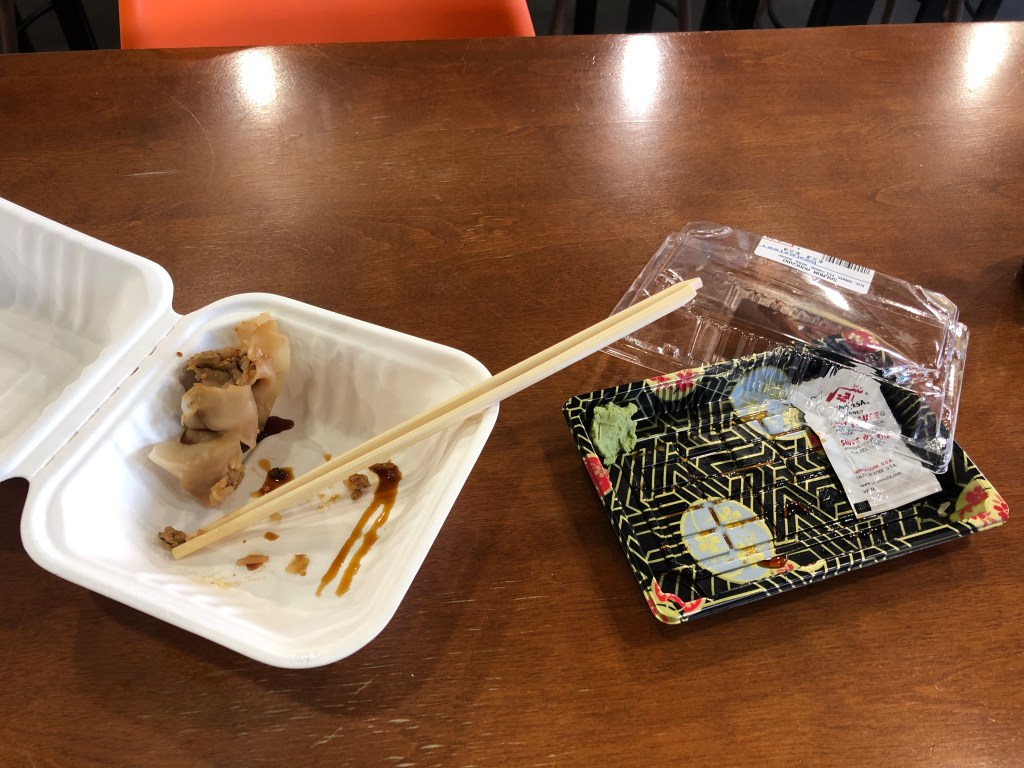
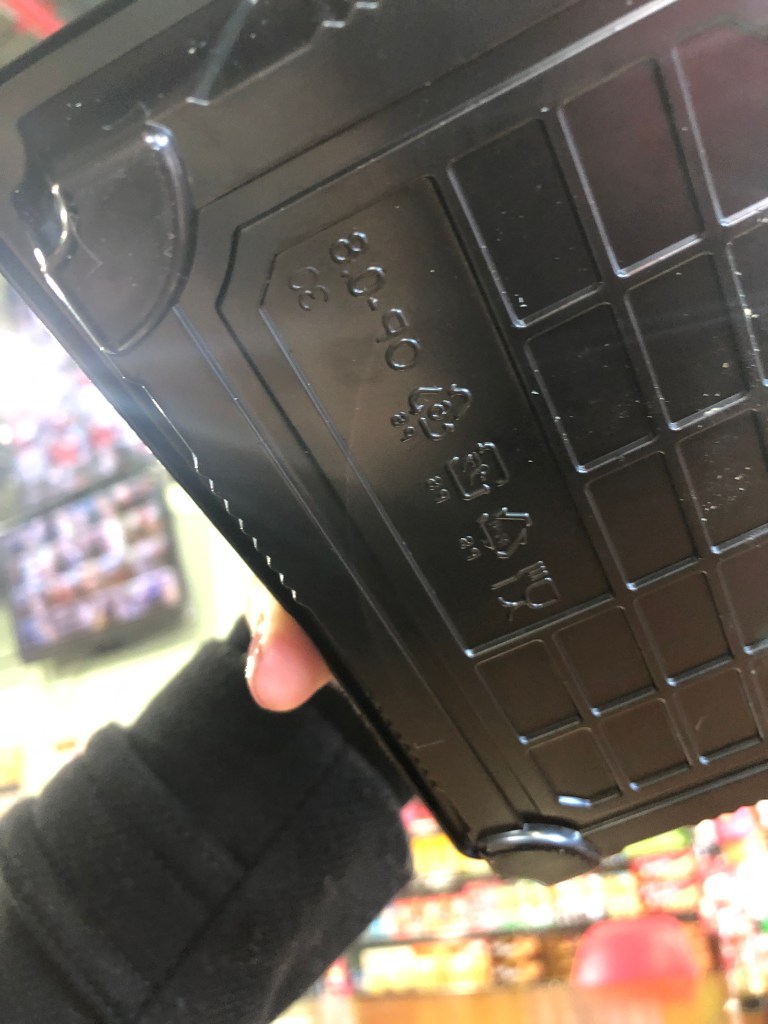
My first garbage was this two containers of food. One was for sushi and the other for dumplings. The sushi one had two types of plastic. Below there is a closeup picture of the recycling information for the plate (black).
This image has an empty alt attribute; its file name is img_3067.jpg

As we can see, the recycle number is 6, in other words, it says that this type of plastic is PS (Polystyrene). According to Natural Home Brands website, https://www.naturalhomebrands.com/, this type of plastic is a naturally transparent thermoplastic that is available as a solid plastic as well in as in the form of a rigid foam material (Styrofoam). Once they are not biodegradable, they are really difficult to recycle, taking hundreds of years to deteriorate. It can he harmful for our health, once it can leach potentially harmful toxic chemicals, especially when heated. Unfortunately, the food industry uses it a lot, mostly in egg cartons, meat trays, disposable paper plates & cups (to-go boxes), medical test tubes, CD cases, smoke detectors, and the red “solo” cup.

PS lifecycle:

Related image

Where does PS packages go after used and thrown away?

The process that happens after PS is thrown away is complicated. This type of plastic and its derivatives, like EPS (Expanded Polystyrene), are really difficult to be recycled. Because of its lightness, it is hard to collect from curb-side containers — it often blows away, becoming litter. And because of its bulkiness, it gets difficult and expansive to transport. Unfortunately, many municipal recycling programs don’t except it.

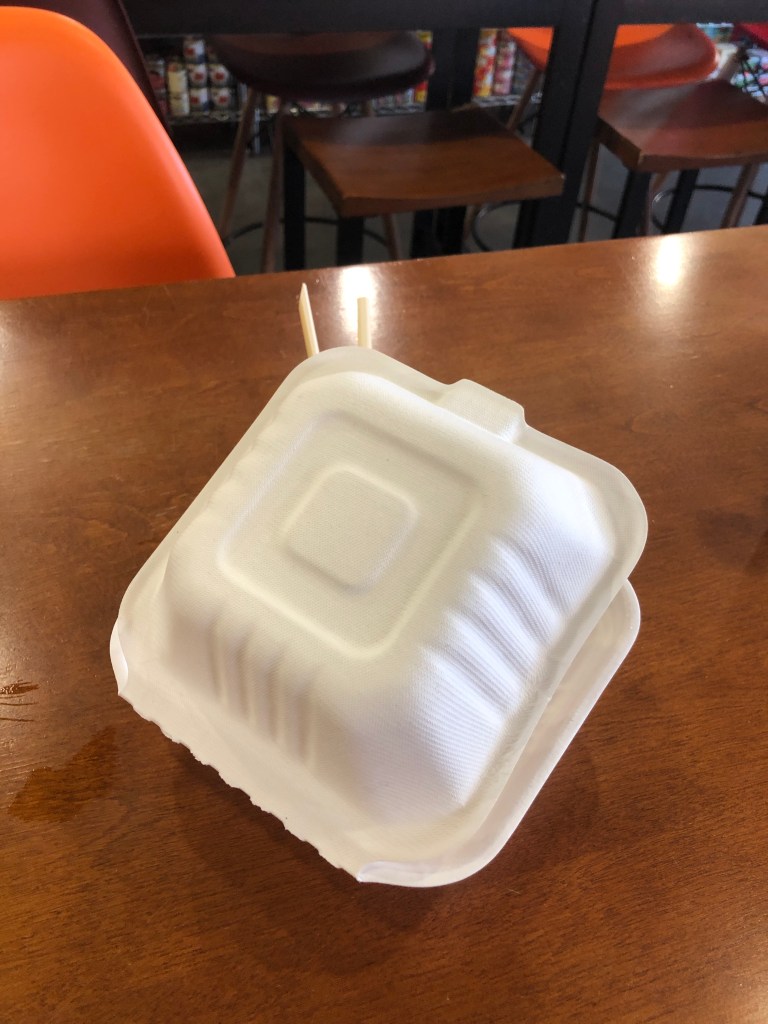
The other package, as well as the one discussed above, is a PS derivative, EPS. It has the same recycle problems and although it has positive points, like its lightness and durability, it can be really harmful for our health and for nature.
This image has an empty alt attribute; its file name is img_3068.jpg

Trash 3 and 4

Paper packaging

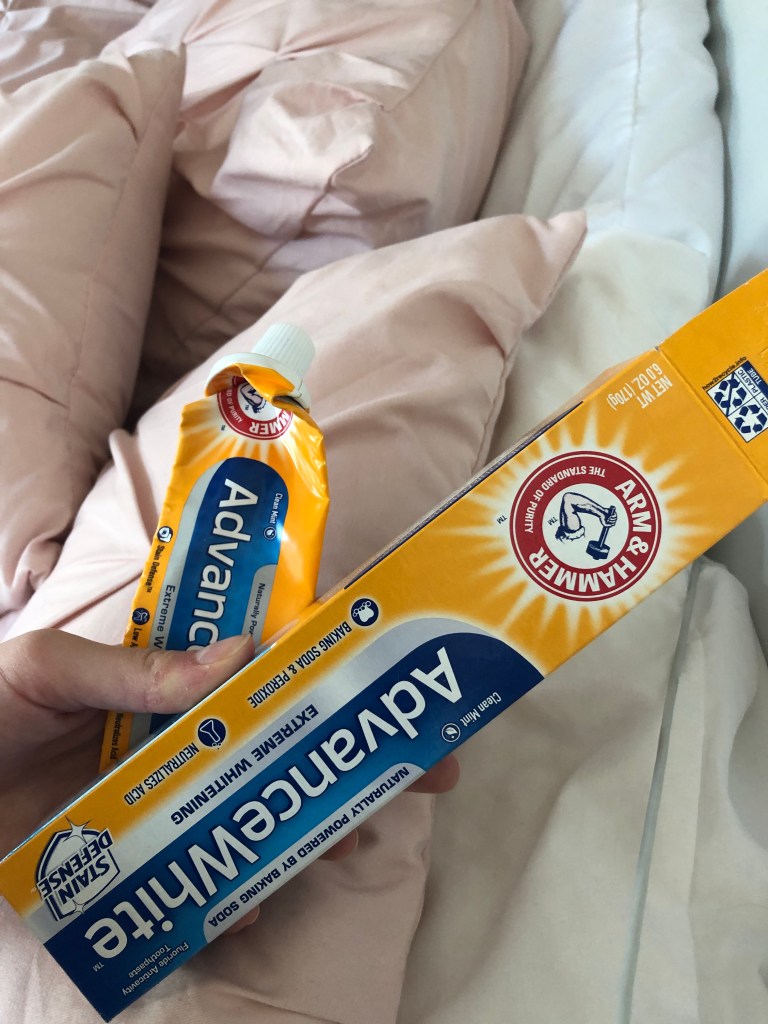
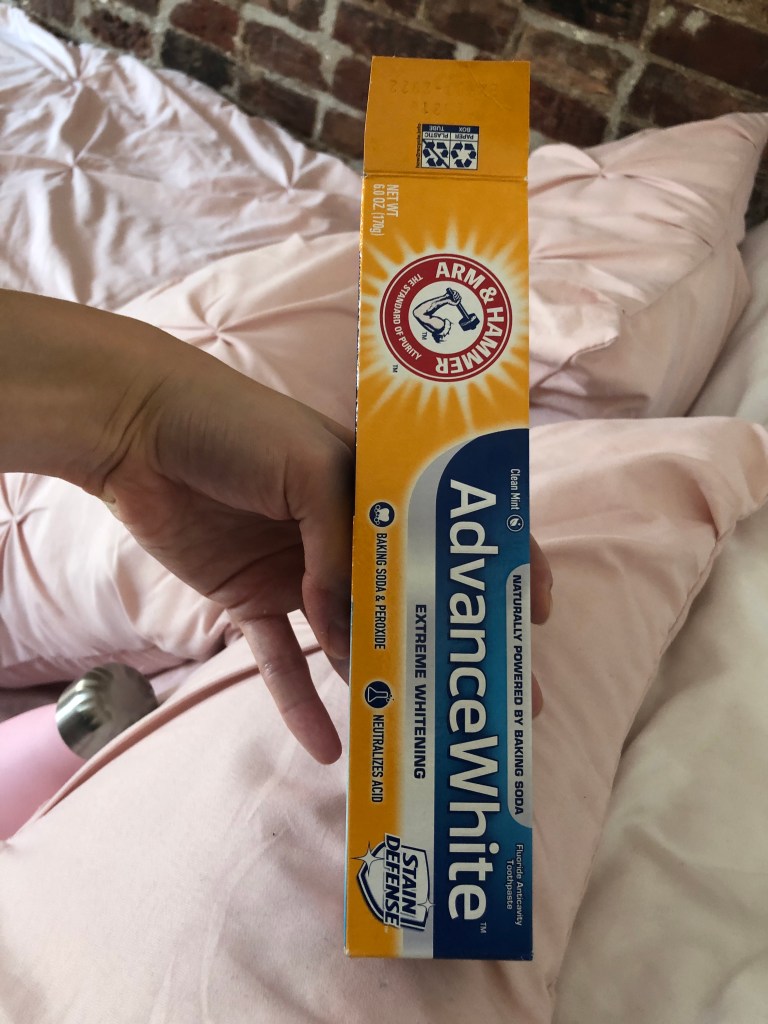
Material: paperboard box. According to the symbol underneath the box, it says that it is recyclable. Although it says that, there are critics around tooth pastes and why they use two packages for a product that already has one that is enough. It is literally thrown away as soon as we open the box to get the tooth paste. According to the website https://cnsmaryland.org/2019/03/08/critics-see-toothpaste-boxes-as-threat-to-environment/, “the creation of paperboard contributes to deforestation, increased water consumption and higher greenhouse gas emissions, according to the American Council for an Energy-Efficient Economy. In the United States, pulp and paper production is the sixth-largest contributor to air, water and land contamination.

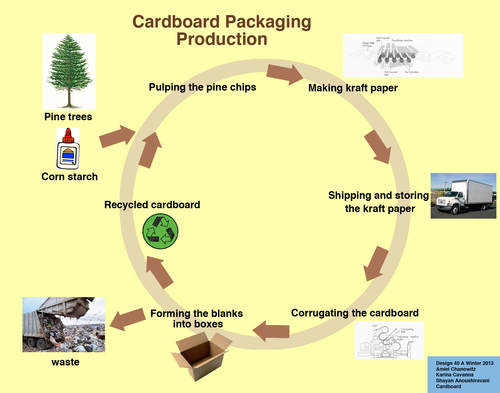
Paper board life cycle:

Image result for life cycle of paper box negative

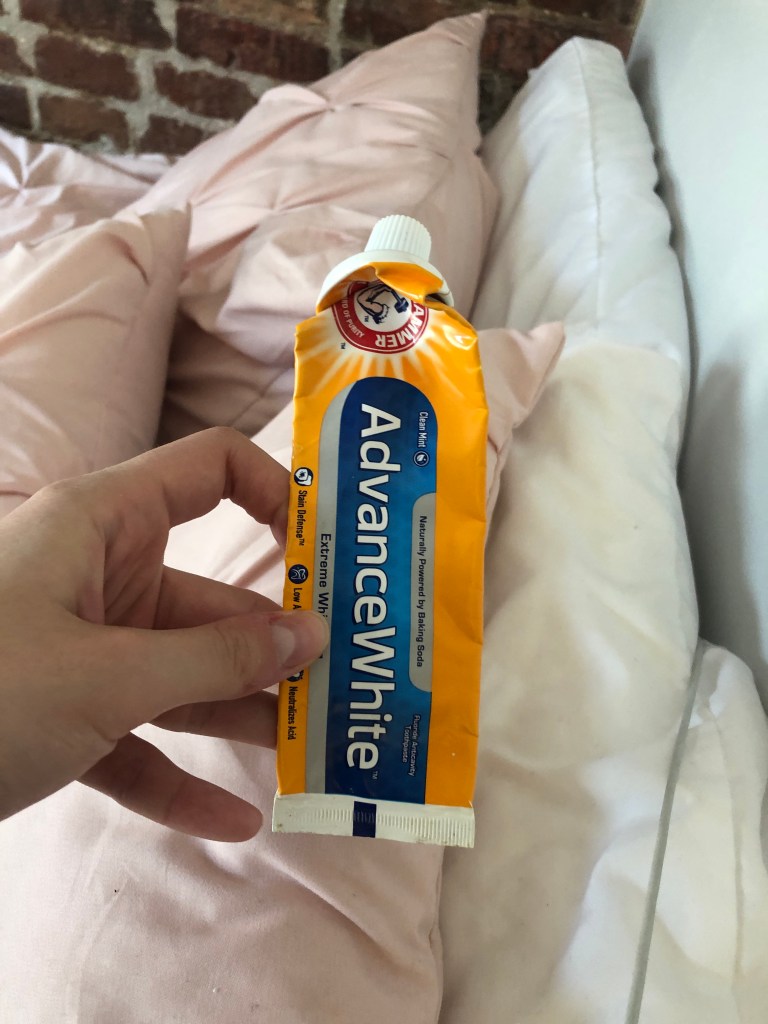
Used tooth paste with some product inside that i couldn’t take out.

Materials: nylon bristles, metal staple that holds the bristles in place and a plastic handle.

Recycle: although it look like toothpastes are not recyclable, they are. According to the website https://earth911.com/living-well-being/health/recycling-toothbrushes-and-toothpaste-tubes/, the correct way to recycle them is: “After you’ve tracked down the correct material, clean out your tubes, and use Earth911 Recycling Search to find recycling solutions in your area. To prepare your tubes, squeeze out as much of the remaining toothpaste as possible. Then, cut the neck off the top of the tube, and carefully cut a slit along the side. Rinse out any remaining toothpaste with warm water and soap, and it’s ready to recycle in areas where toothpaste tubes are accepted.”

Trash 5
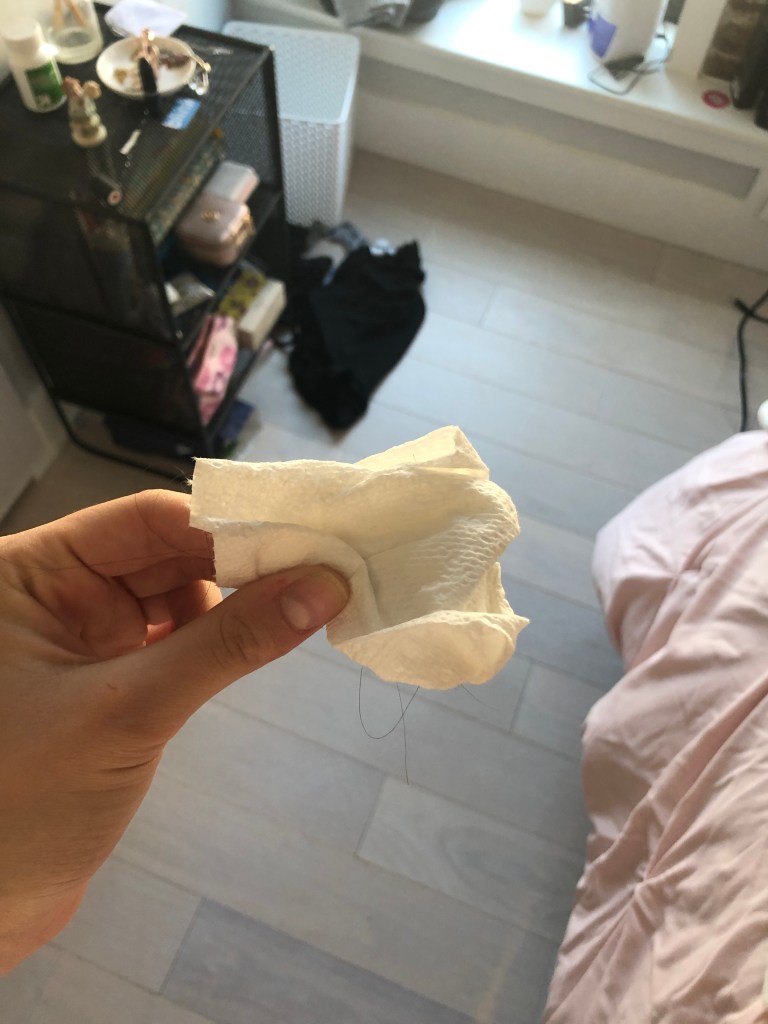
Paper towel

Recycle:I thought recycling paper towels was easy but as according to a research I made, the process is more complicated than other paper’s recycling. As Stanford Magazine says on their website, paper towels are more difficult to recycle because of the size of their fibres, that are short. “Papermaking fibers can typically be recycled five to seven times before they become too short to be recycled again, and paper towels and napkins are the last stop in the recycling chain.” In addition to that, only clean paper towels could be recycled, and generally almost all the pieces we through away each day is full of contaminants that make the recycling process inevitable.

Trash 6
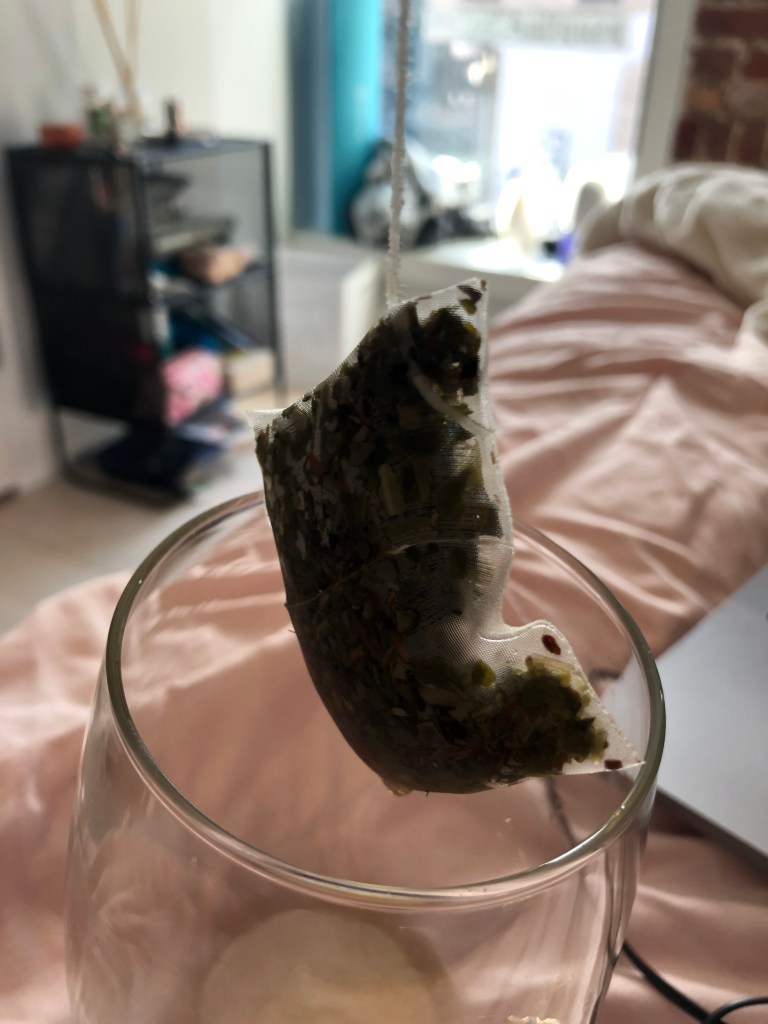

Used tea bag: organic trash.
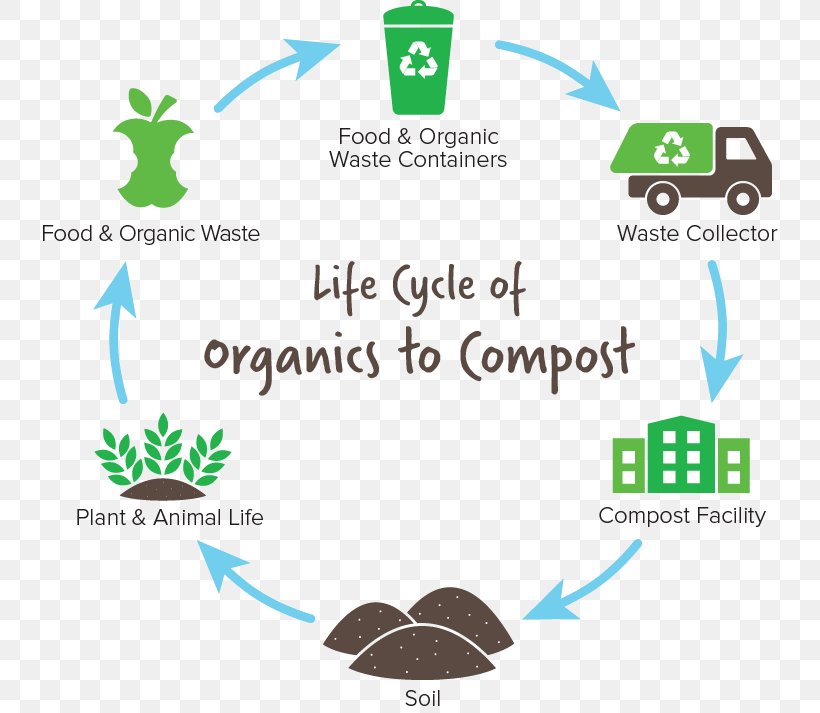
Image result for organic trash cycle

Trash 7

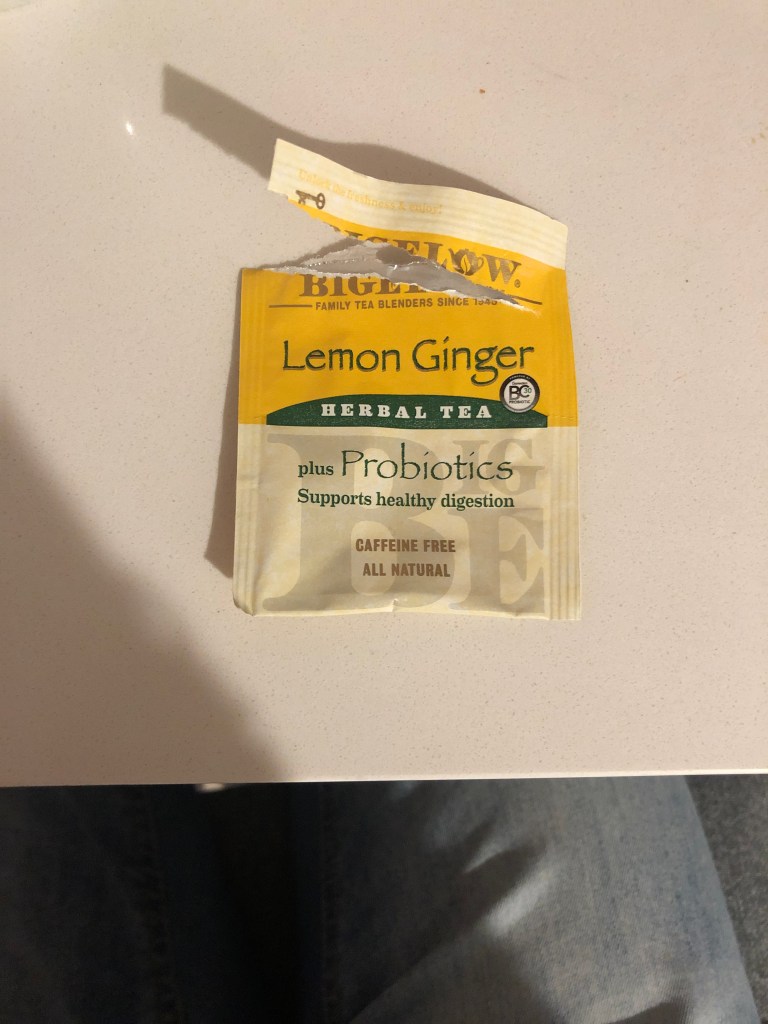
Tea bag wrapper: NOT recyclable (I thought they were!)

As I learned with Steve Crane on his post on web.stanford.edu, tea wrappers are not recyclable at all. They look like they are made out of paper but they are actually “airproof/waterproof plastic-fused-with-paper deadly combo and they cannot be recycled or composted.”

Trash 8
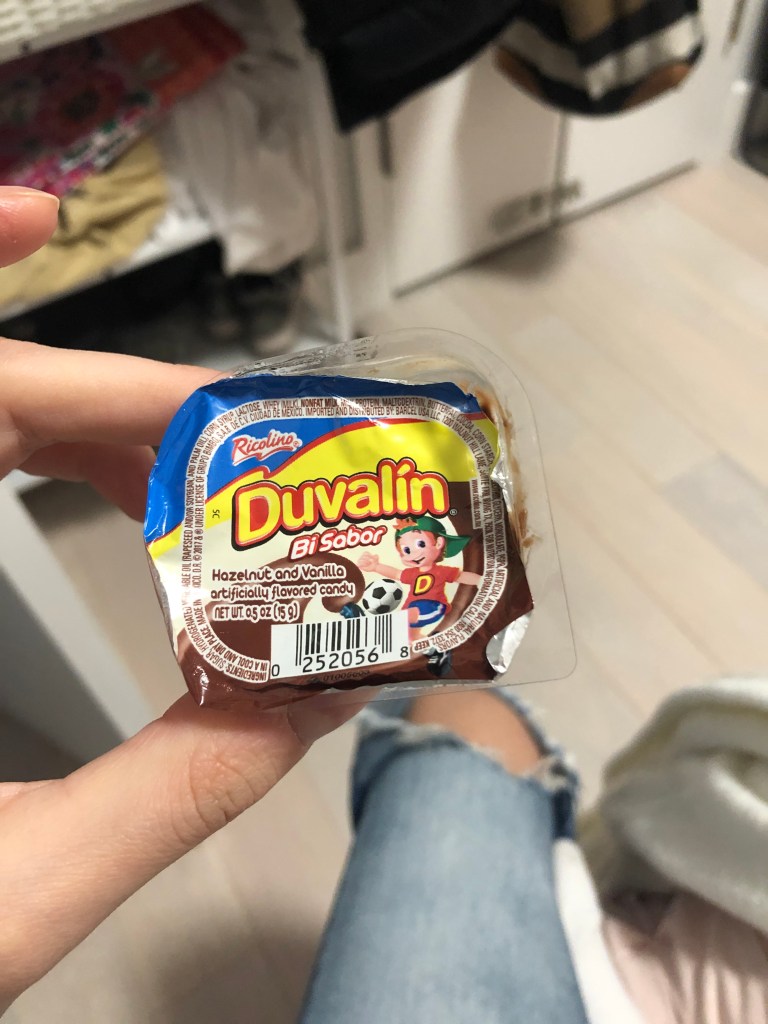
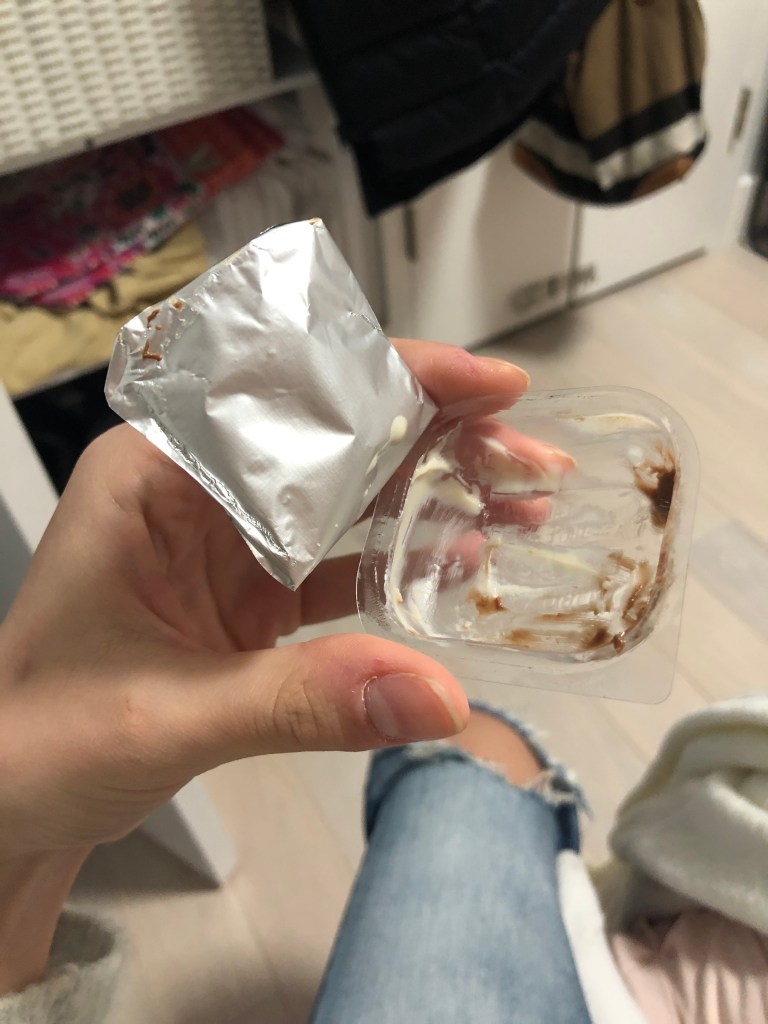
Plastic and aluminium foil

This little plastic container was put on the organic trash once the materials has food on it, making its recycle process not able to happen. There was no information on the package about recycling it.

Trash 9
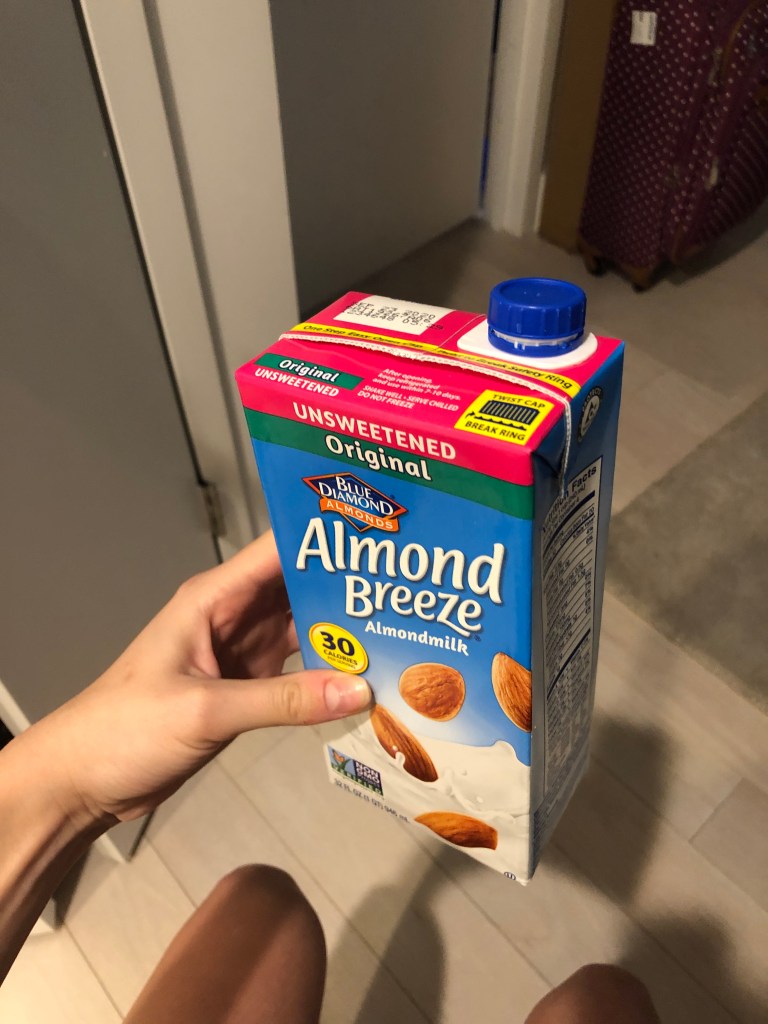
Almond Breeze milk

This bottle is made from TetraPack box. Although many say that TetraPack bottles are recyclable, the truth is that it is not entirely recyclable. It is because the amount of material that they are made of. The cartons are made from wood in the form of paperboard, as well as thin layers of aluminium and polyethylene. (drupepower.com) In the end, those packages have six layers of materials, to make the beverages health enough to be drinkable. In the end, I ended up putting it in the recycling trash but it is probably not gonna be fully recyclable.

Trash 10
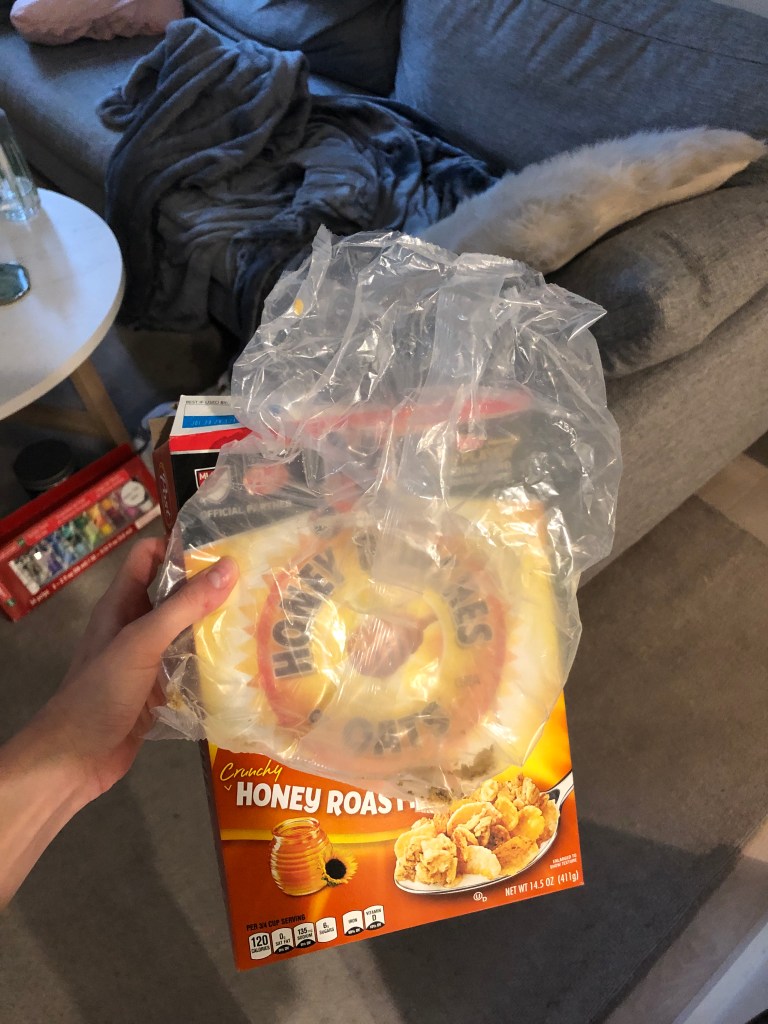
Cereal box (100% recyclable according to the package) + cereal bag

Since they are made of lightweight cardboard, cereal boxes can be easily recyclable. The plastic cereal bag, according to the website recyclenation.com, is “made with high density polyethylene, also known as HDPE or by the recycling number 2. Known as “film” in the recycling industry, this type of plastic can be remanufactured back into plastic bags. It can also be turned into plastic bottles, lumber, pipes and a number of other products.”

Trash 11
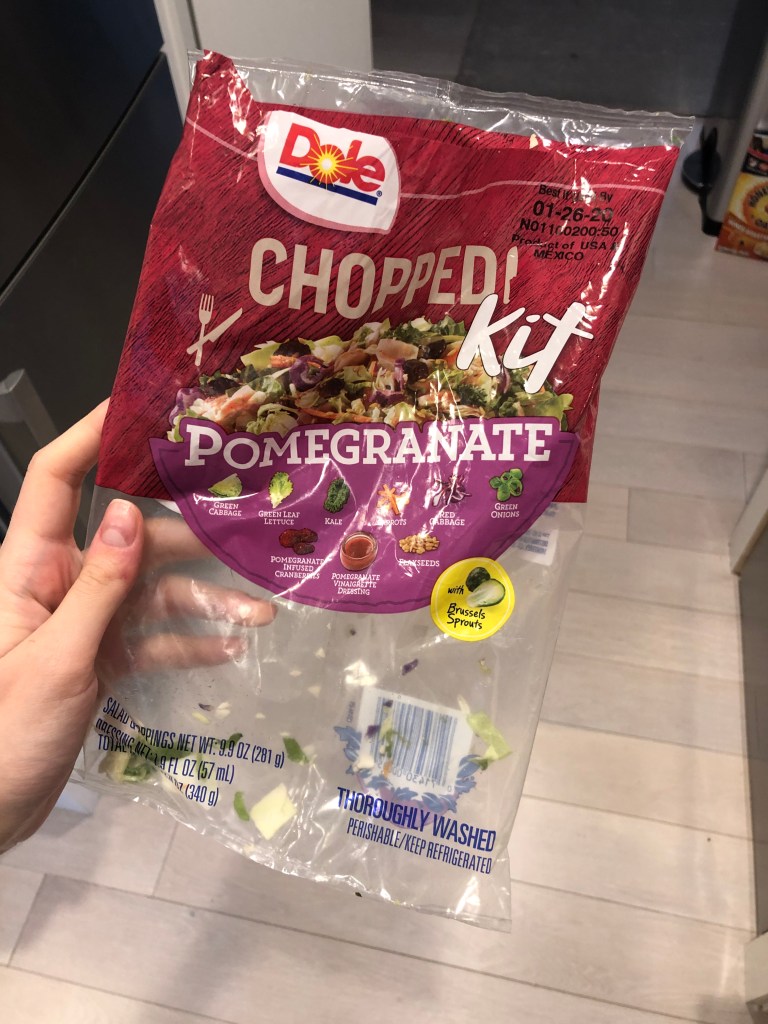
Salad plastic bag

Since these salad plastic bags comes with their product washed and stayed refrigerated, they are not completely dry, and with that, not recyclable.

Trash 12
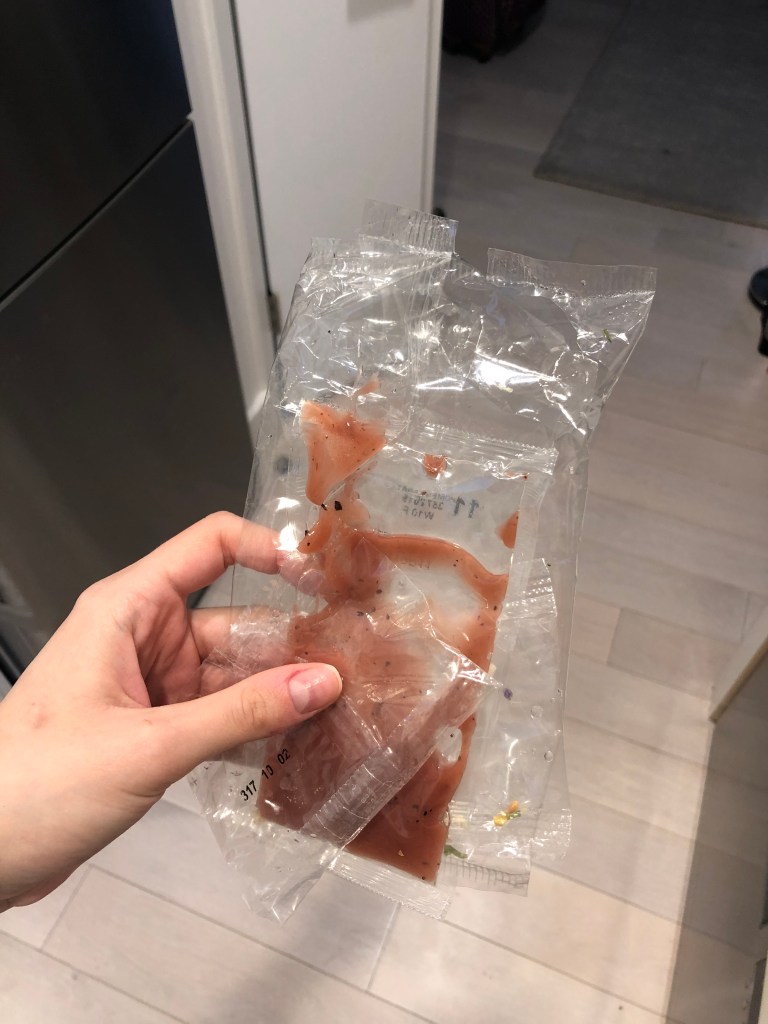
Plastic bags that came inside the salad bag. One of which was with the dressing.

The same thing occurs for these packages that were inside the plastic bag (more plastic, I know). Since they have been in contact with food, specially the dressing one, it turns out to be difficult to recycle.

Trash 13
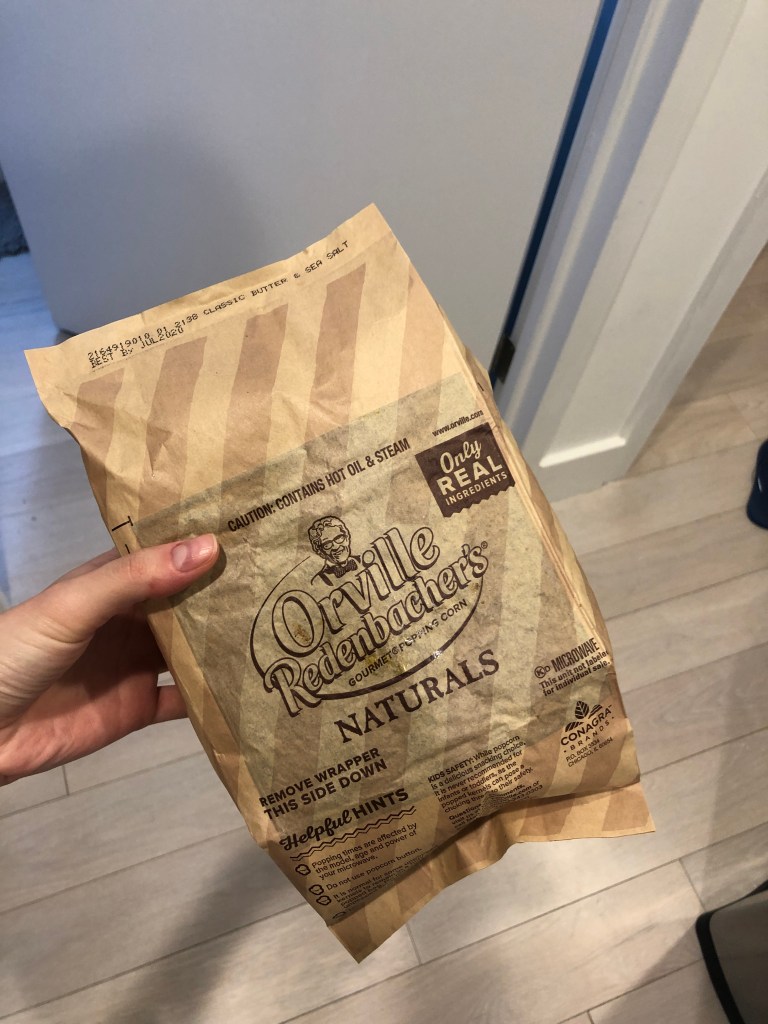
Microwave popcorn bag: not recyclable. As the website Waste Management remembers people, we have to consider these three simple things when recycling:

*  No containers with food. Containers with food residue are not recyclable.  Please remember to wash containers to eliminate food debris.  If a container is food-soiled and cannot be washed (i.e. pizza boxes, paper plates, microwave popcorn bags), throw it away with non-recyclable items.

*  Liquids and soggy items spoil the load. Moisture soaked items in recycling containers can ruin an entire load of recyclables.  Please recycle only clean, dry items.

*  Minimize thin plastics. While many forms of plastic are recyclable and acceptable, flimsy plastics such as shopping bags and other types of cellophane bags can jam recycling machines, adding increased costs to recycling operations, unless the plants are specially equipped (check your local recycling program guidelines).

With that said, the microwave popcorn bag is not recyclable.

Trash 14
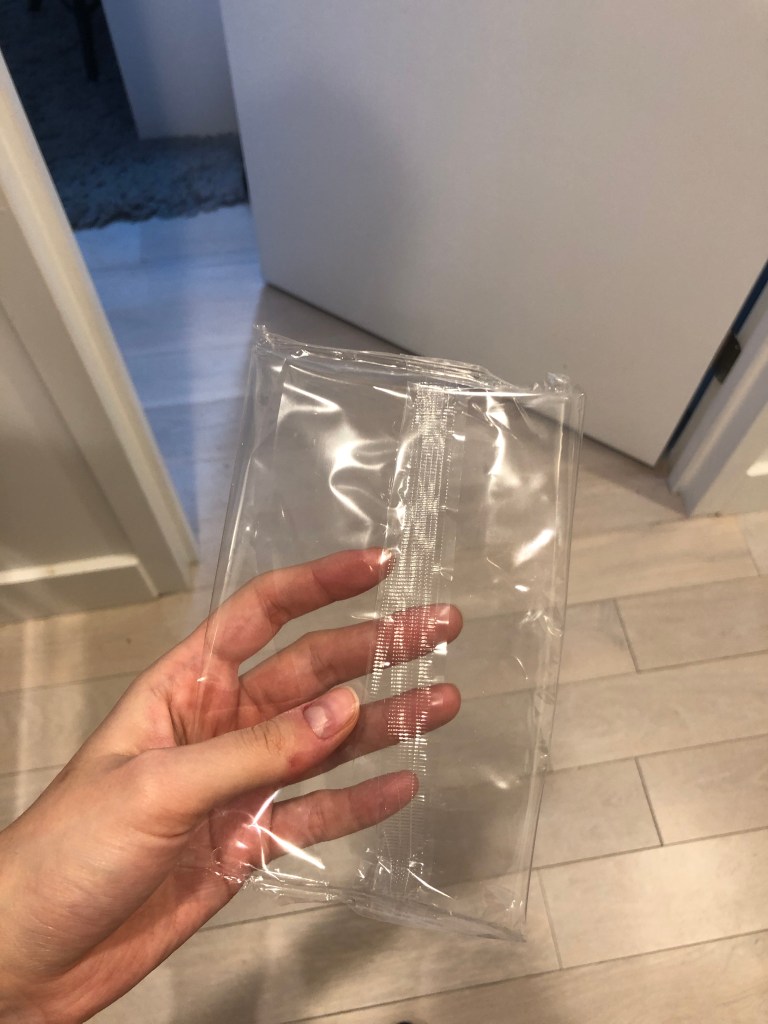
This plastic bag was holding the microwave popcorn bag. Since it is clear and it doesn’t have any food on it, it is recyclable.

Trash 15
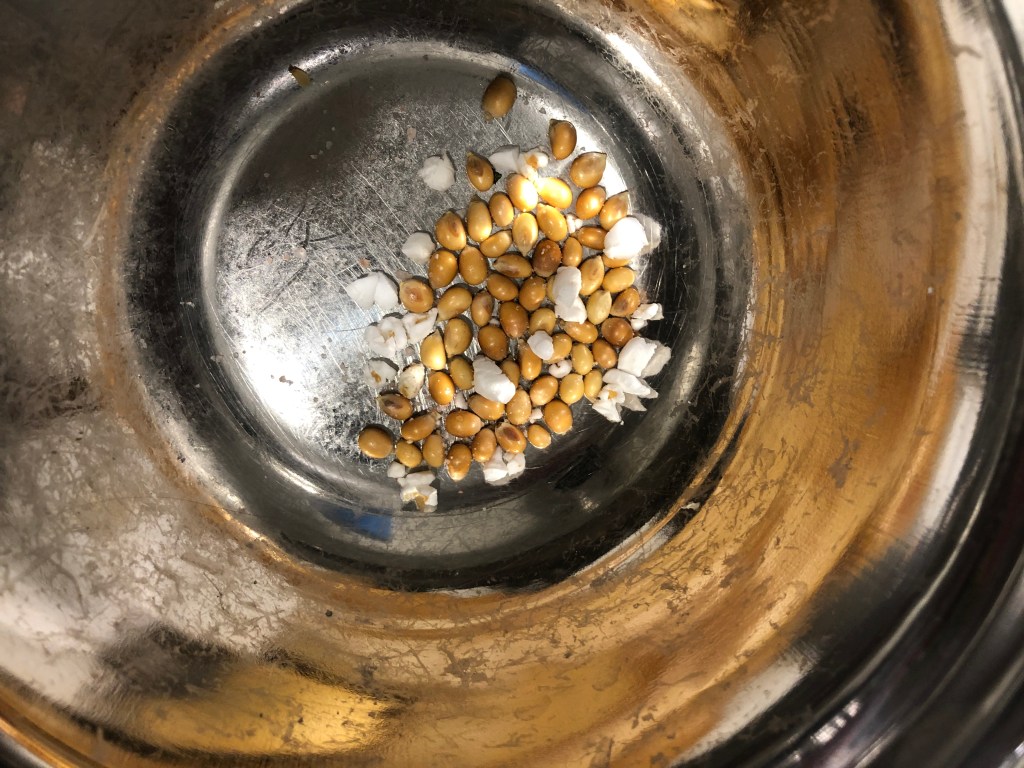
Organic: not recyclable.

Trash 16
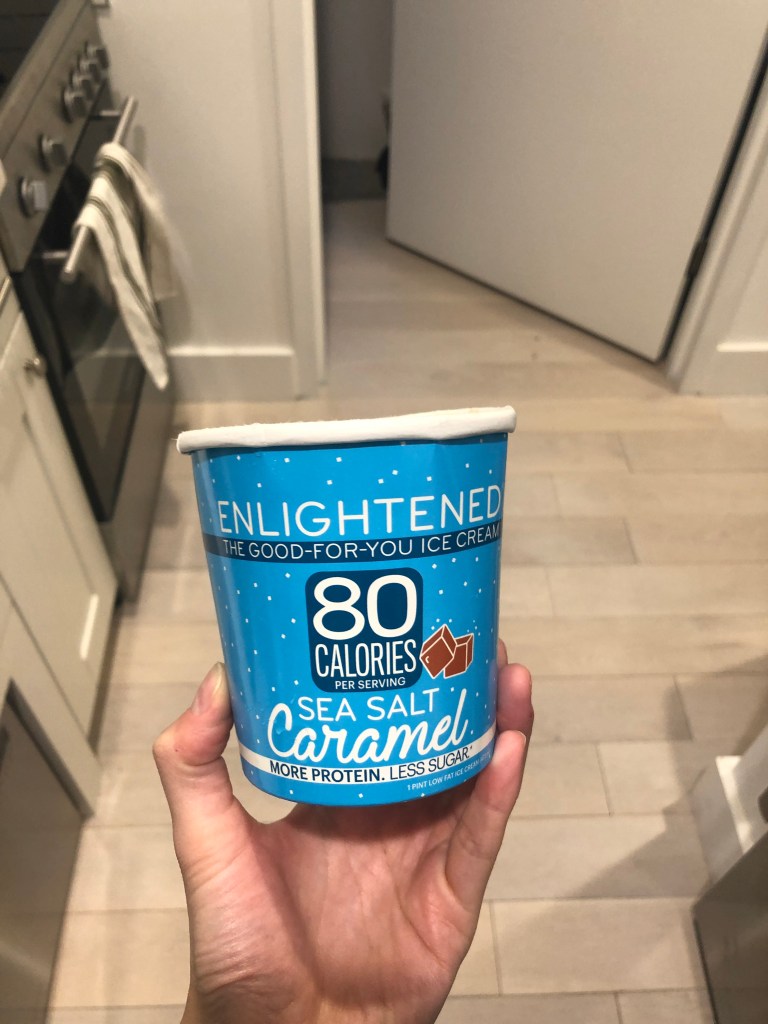
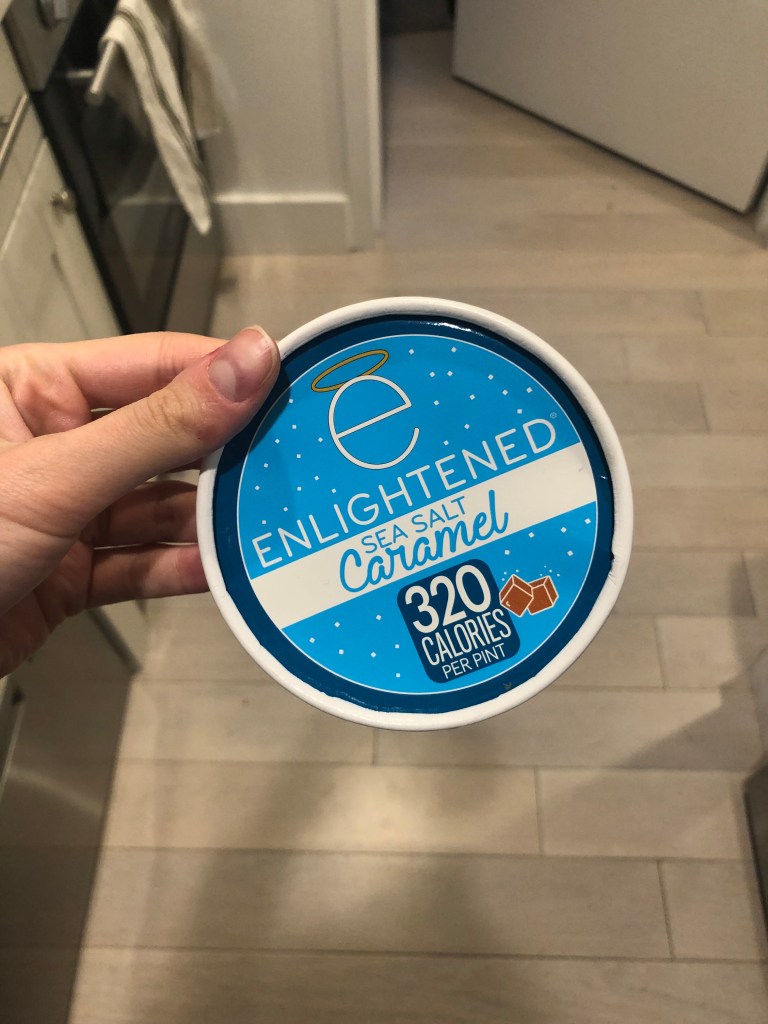
Ice cream container: difficult to recycle.

According to the website earth911.com, “ice cream cartons are made of a special type of paper called wet-strength paperboard, which includes a plastic lining of polyethylene to ensure that it won’t break down in the freezer under extreme temperatures.” The problem here lies on the polyethylene coating. It poses a recycling challenge since the process for recycling paper involves adding water to turn it into pulp. The polyethylene is water resistant and prevents the pulping process.

Trash 17
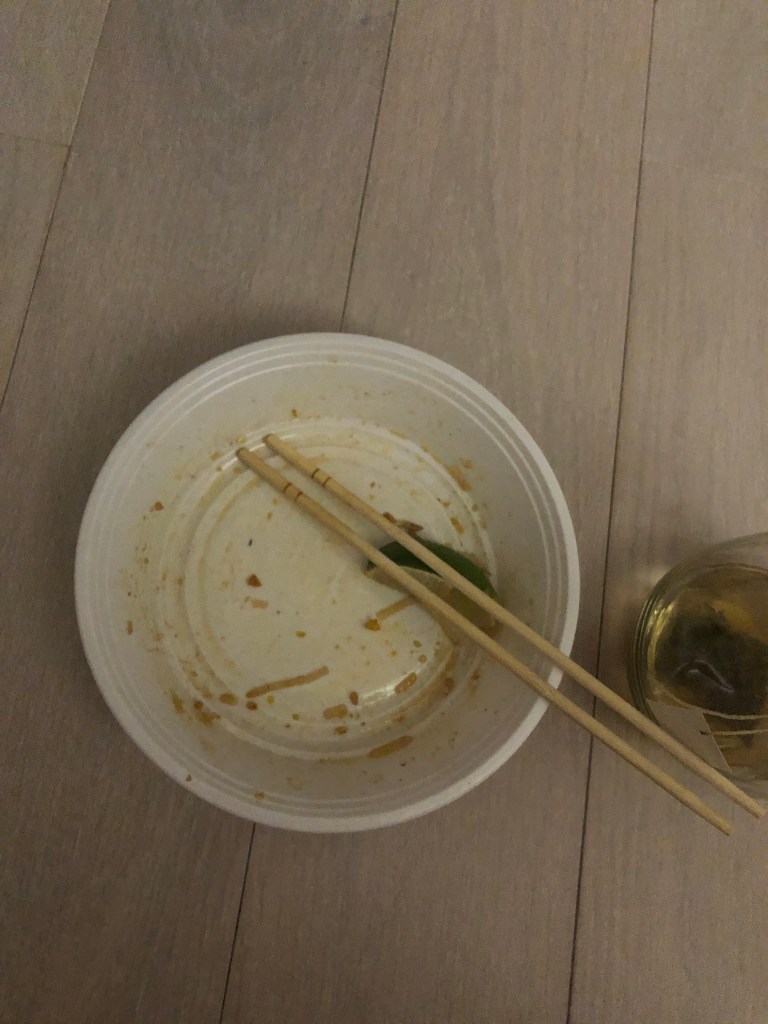
Food container. Number 6 on recycle numbers. Polystyrene, difficult to recycle and with food leftover food on it, it is not recyclable at all.

Trash 18
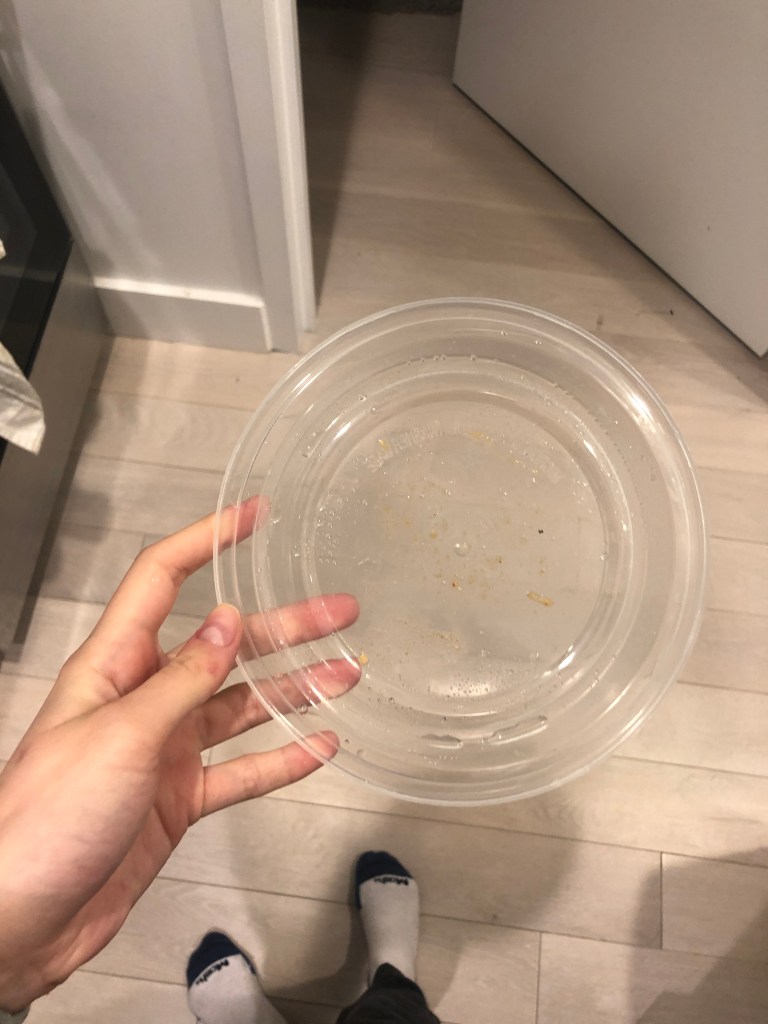
Lid of food container. There was no information on it but according to the research made about food containers and their lids, this one was probably polystyrene, really difficult to recycle and, because it had food oil in it, it is not recyclable at all.

Trash 19
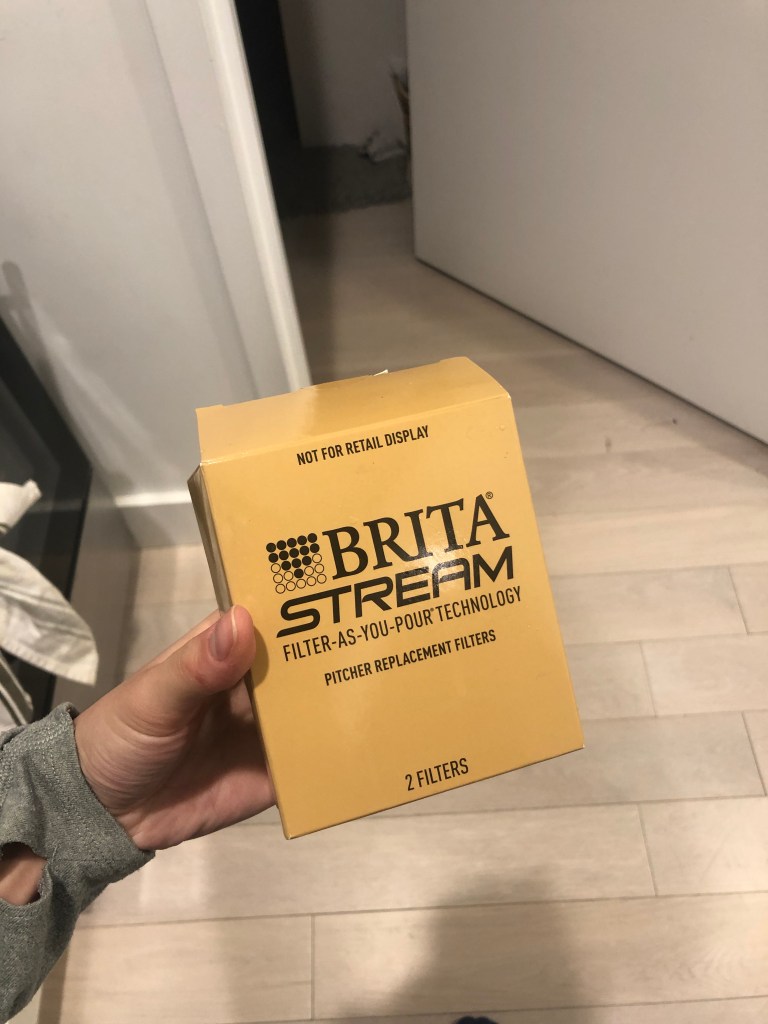
Duplex paper. No information on how to recycle.

Trash 20
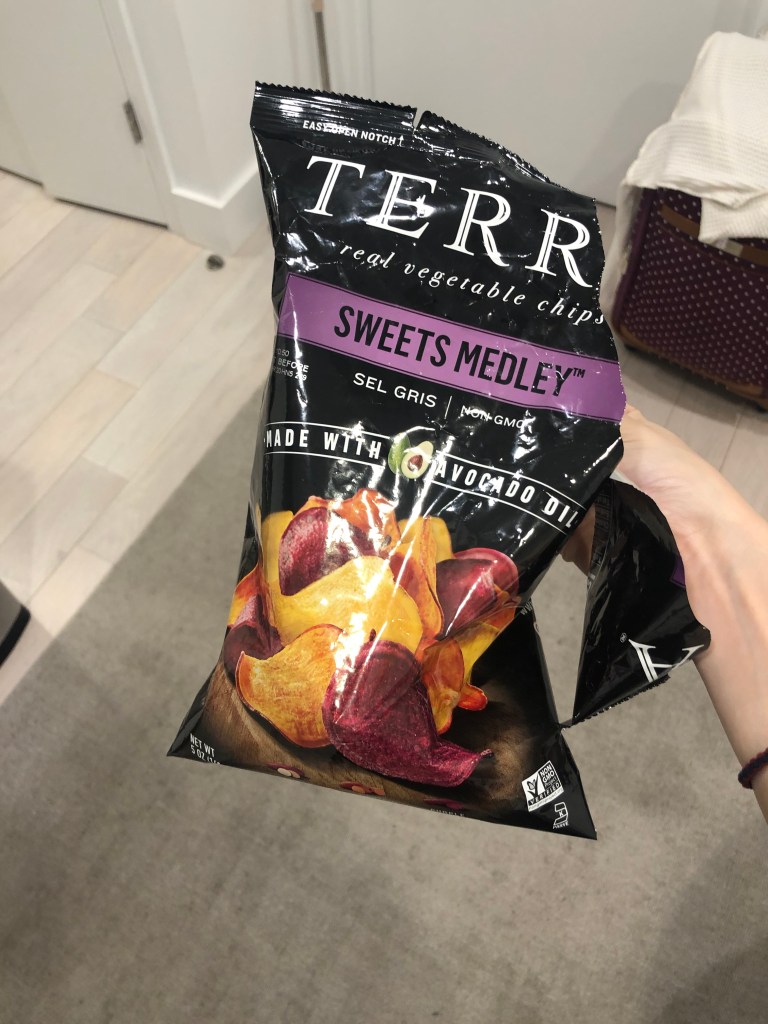
TERRA red vegetable cips: not recyclable.

Materials: aluminum laminated with polypropylene, also known as metalized polypropylene, or low-density polyethylene film.

Information on chips bags:

they are not recyclable since they cannot go into your single stream recycle bin. Because of the layer of aluminum laminated with polypropylene, this basically means it’s a hot plastic and aluminum hybrid mess.

On the other hand, according to the website http://www.thegreencities.com, “The good news is that companies are taking notice and incorporating eco-friendly tactics at the end of their product’s lives.”
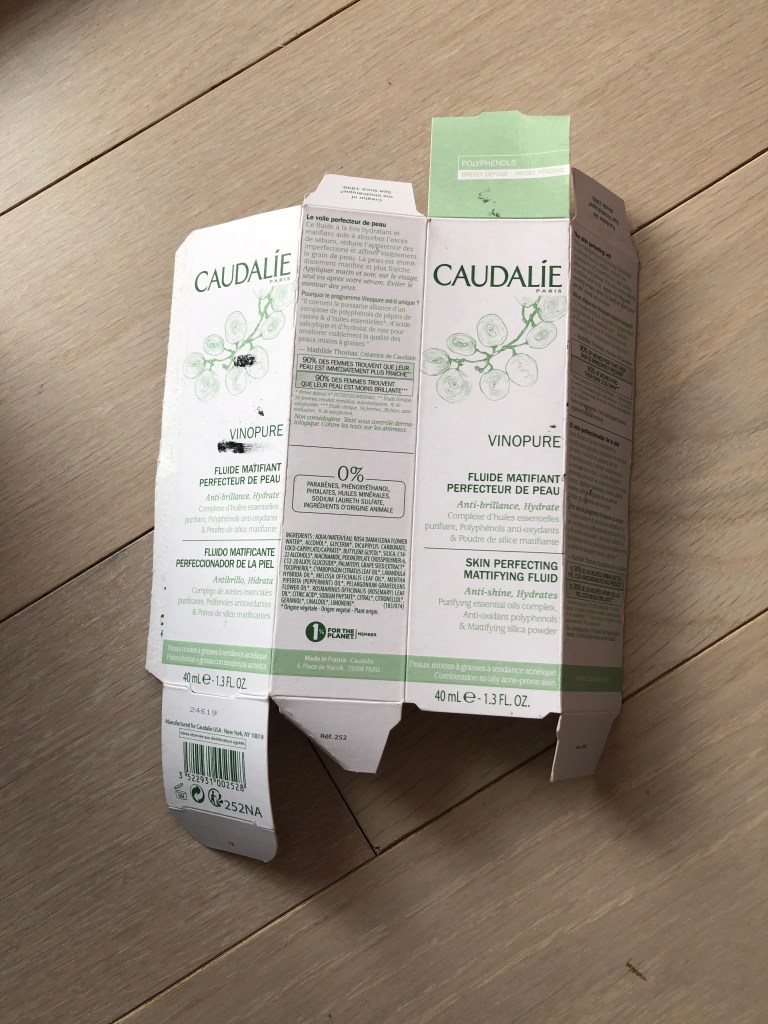
Secondary Packaging

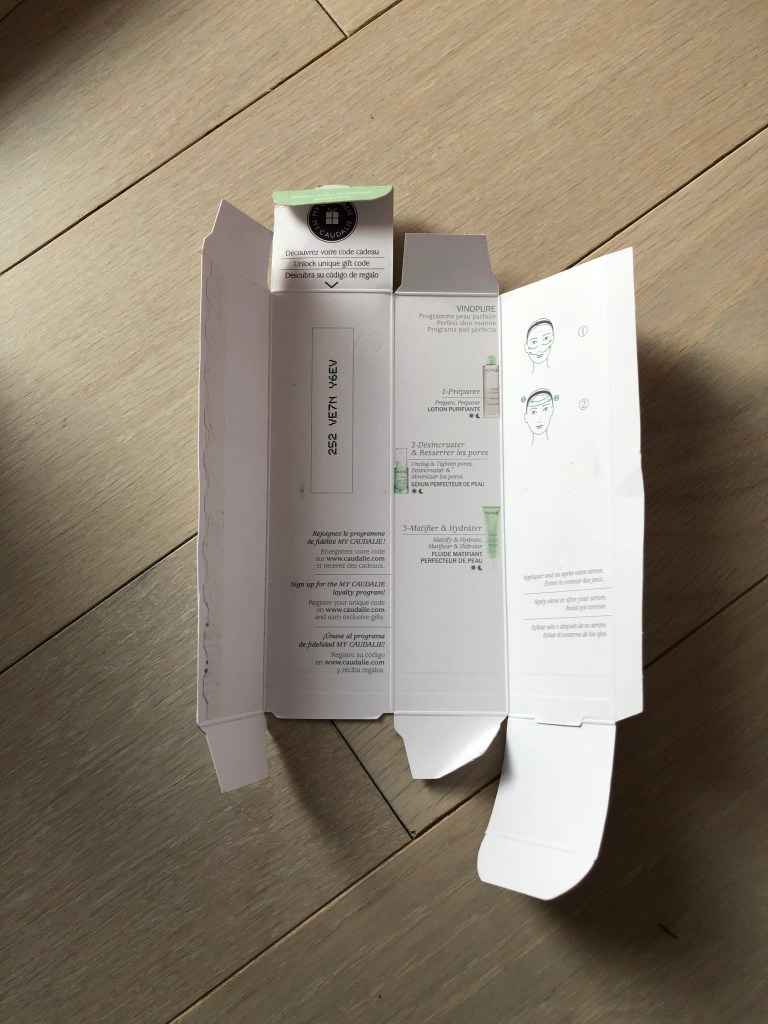
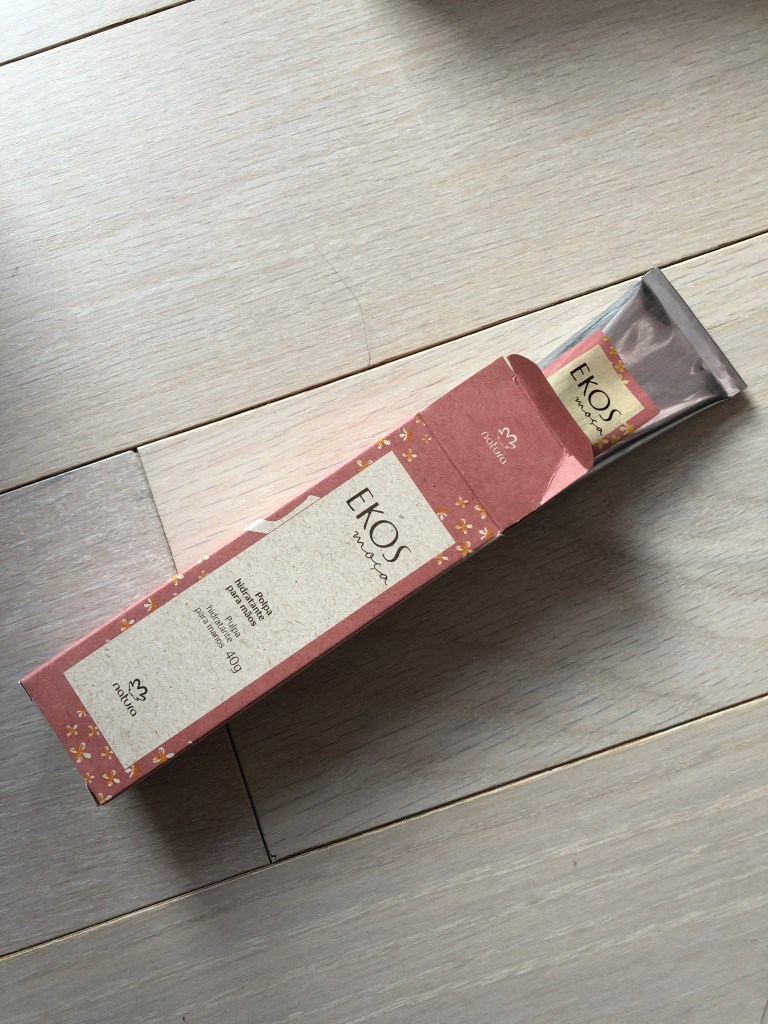
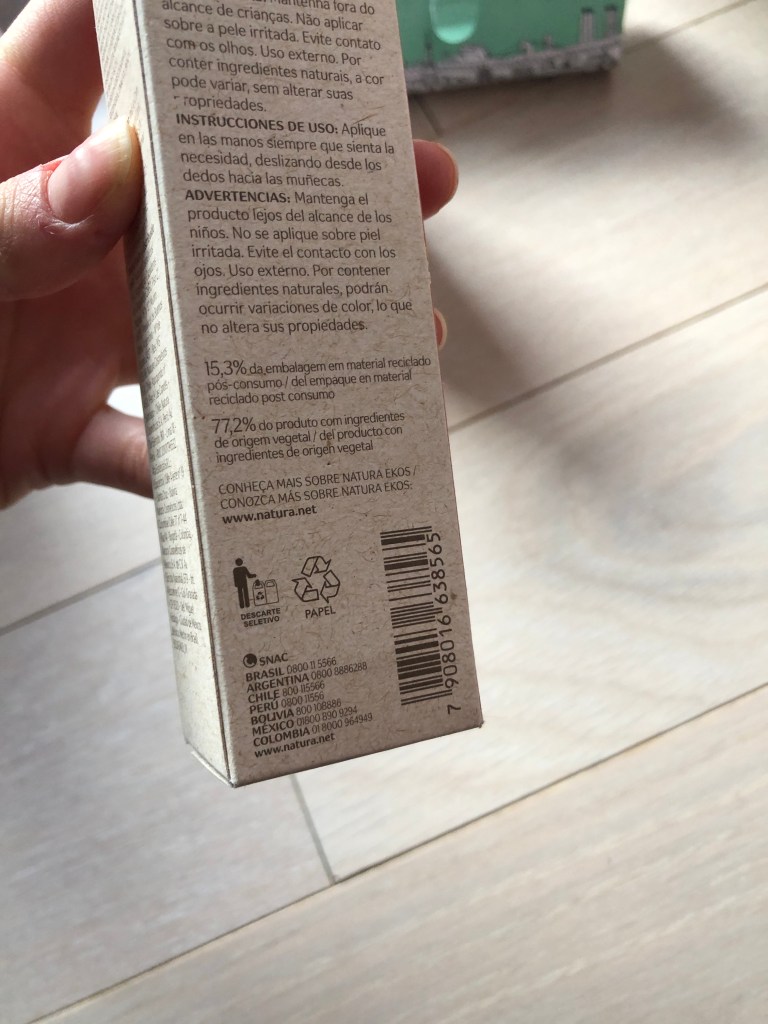
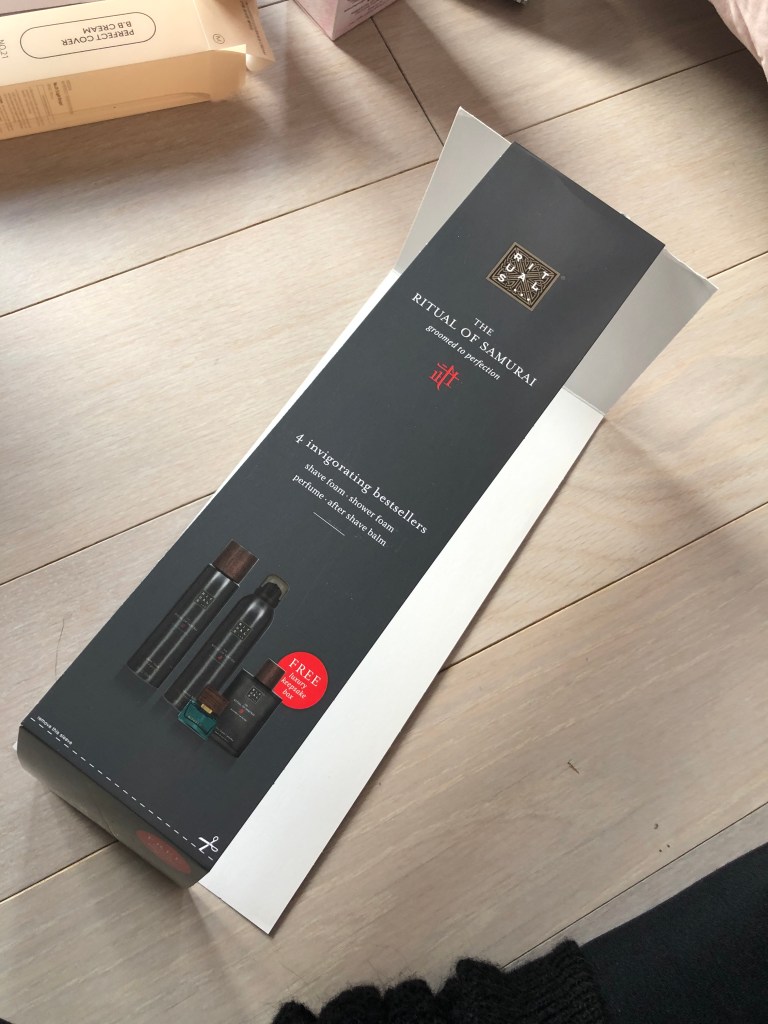
Paper packaging: recyclable. It holds the product and the shipping is easy since it lies flat.

Paper packaging: recyclable.

Paper packaging: recyclable. From an environmentally friendly brand, this package is recyclable and the environmental impacts are measured carefully by the company, which has different initiatives to help the environment.

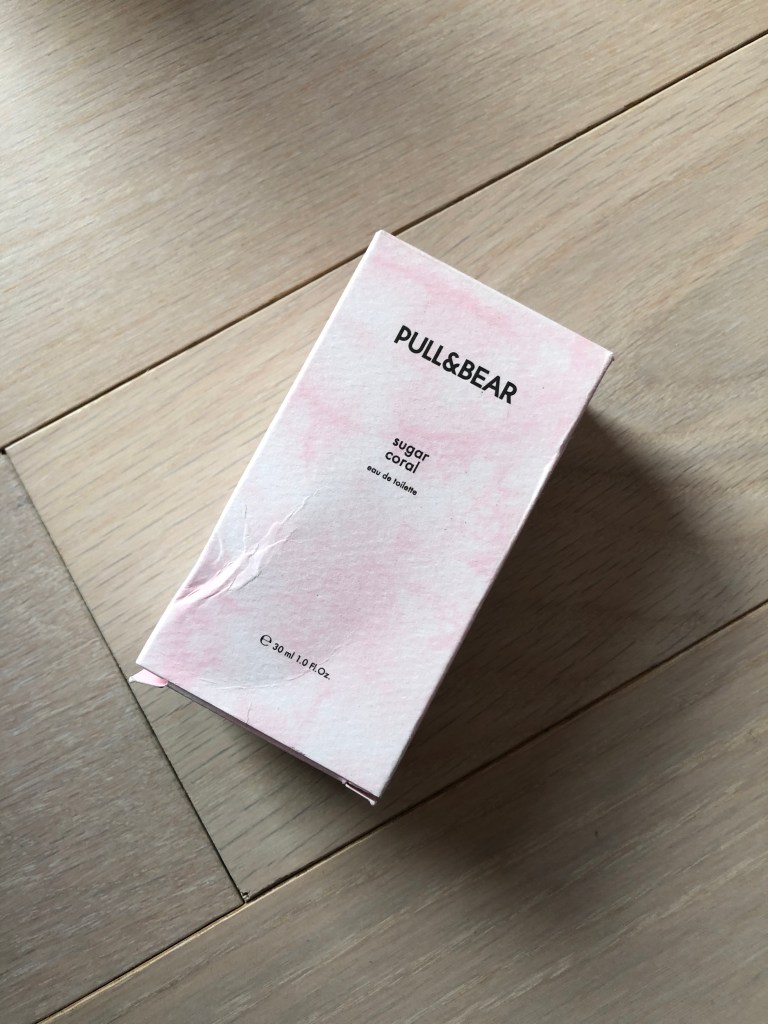
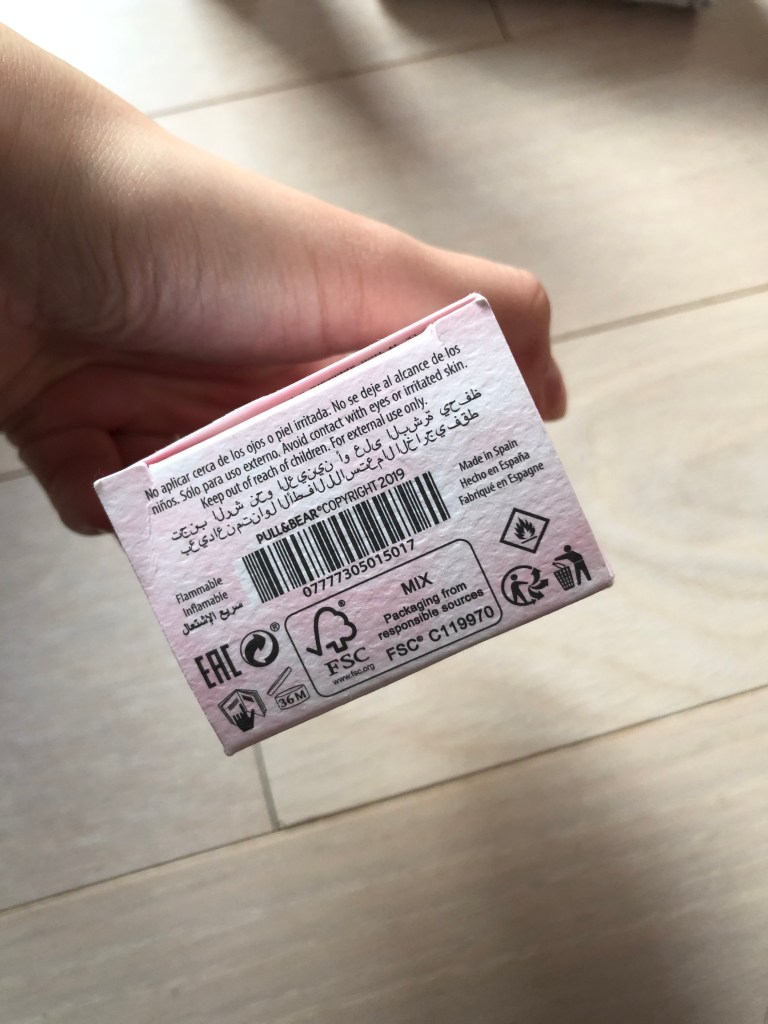
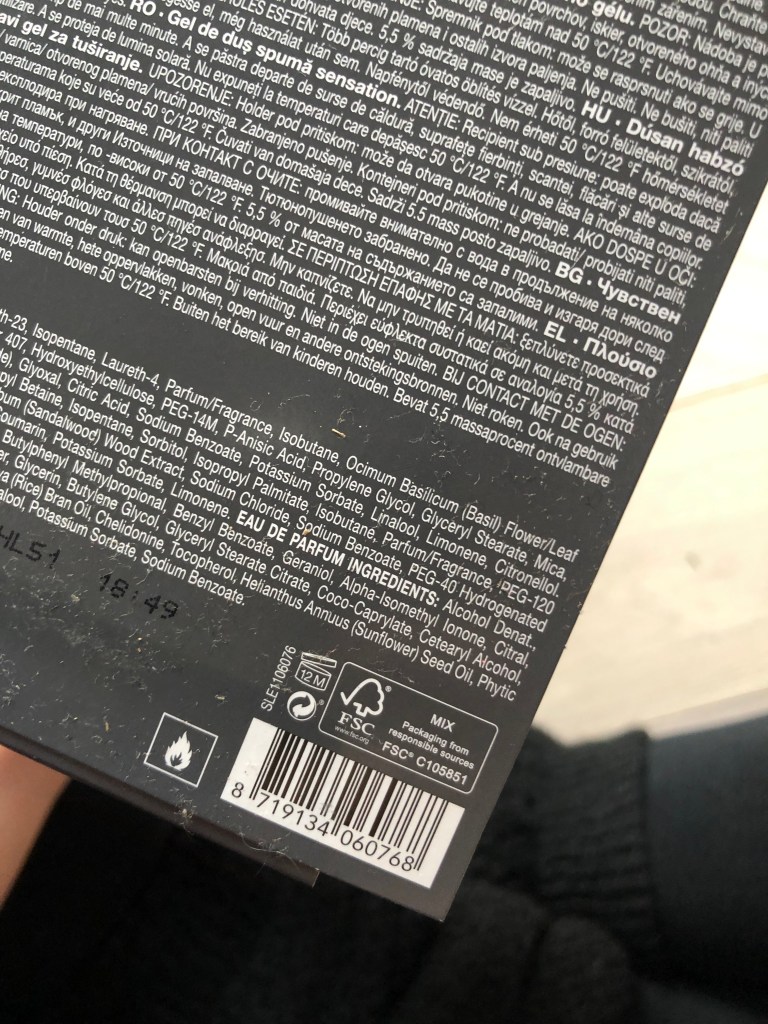
Perfume packaging. It says on it that it is recyclable.

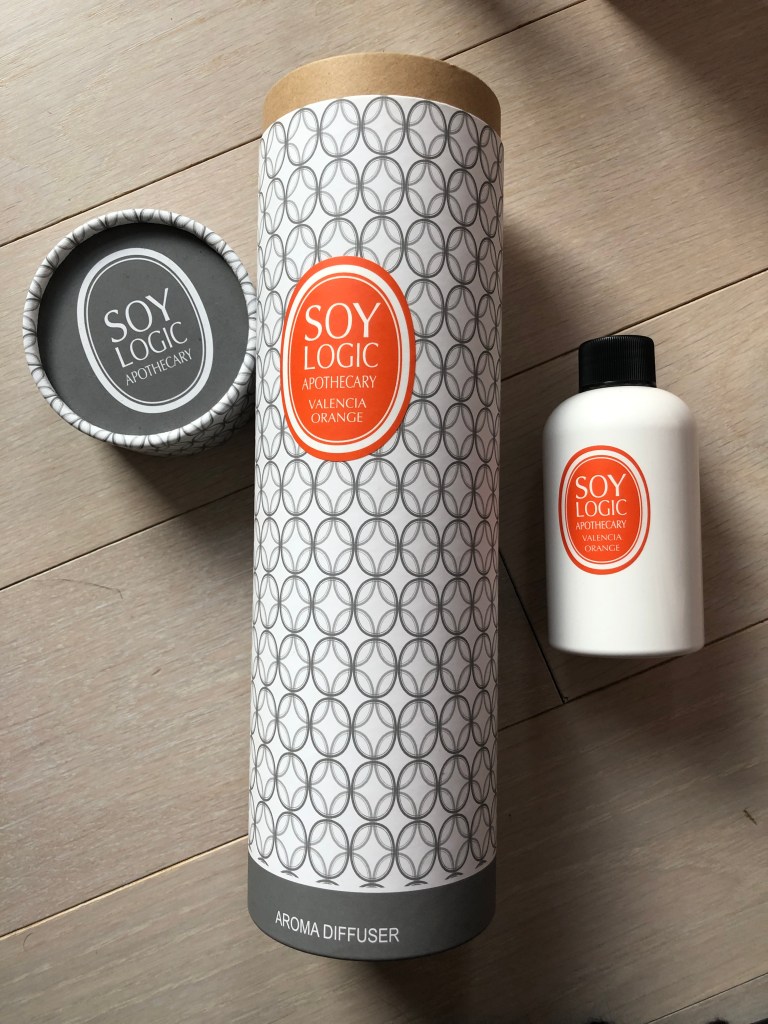
Difusor and scent oil packaging. Cardboard for the box and plastic for the little bottle. The bottle I am not sure if it is recyclable, as well as the cardboard.

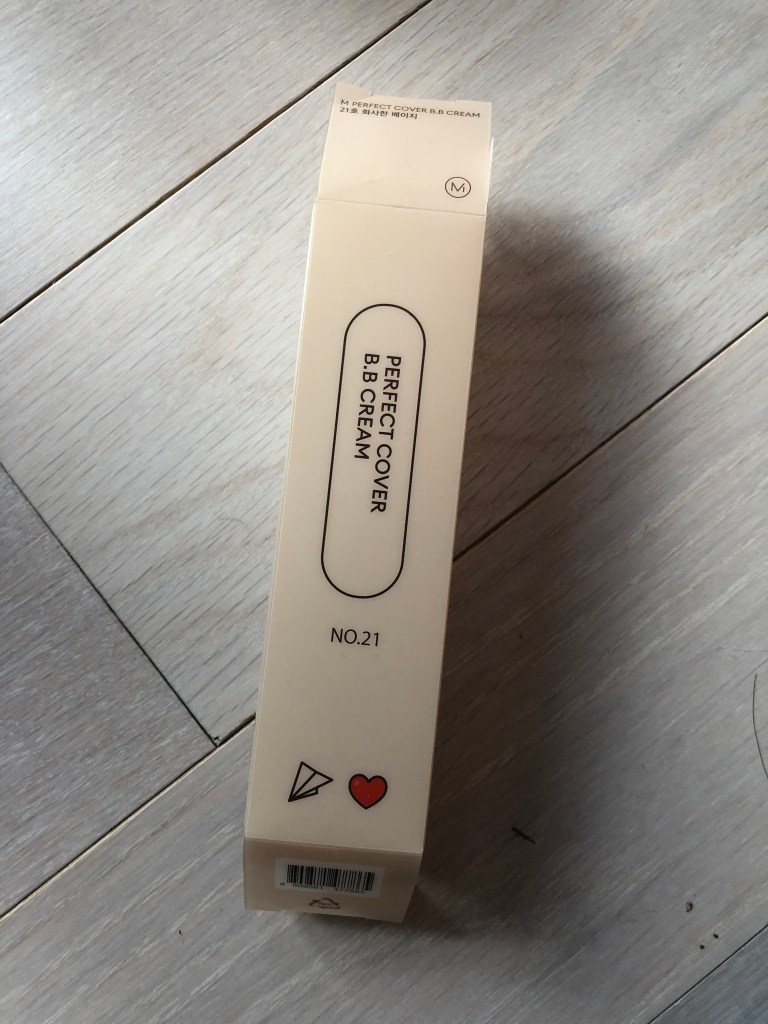
Makeup plastic packaging: recyclable.

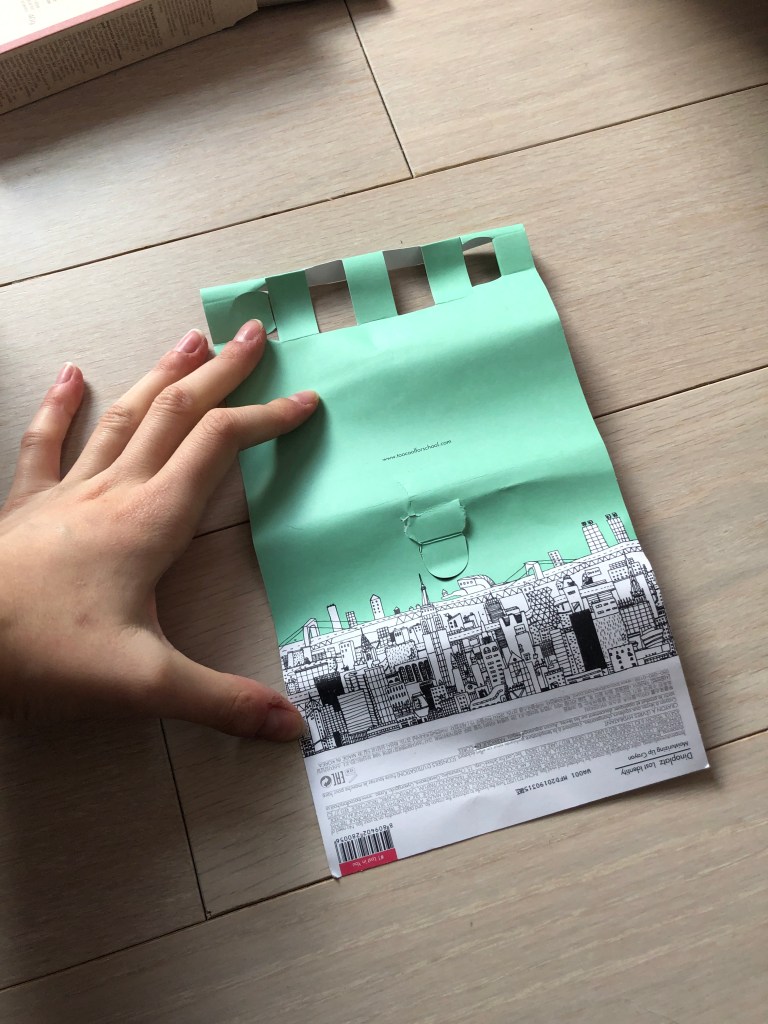
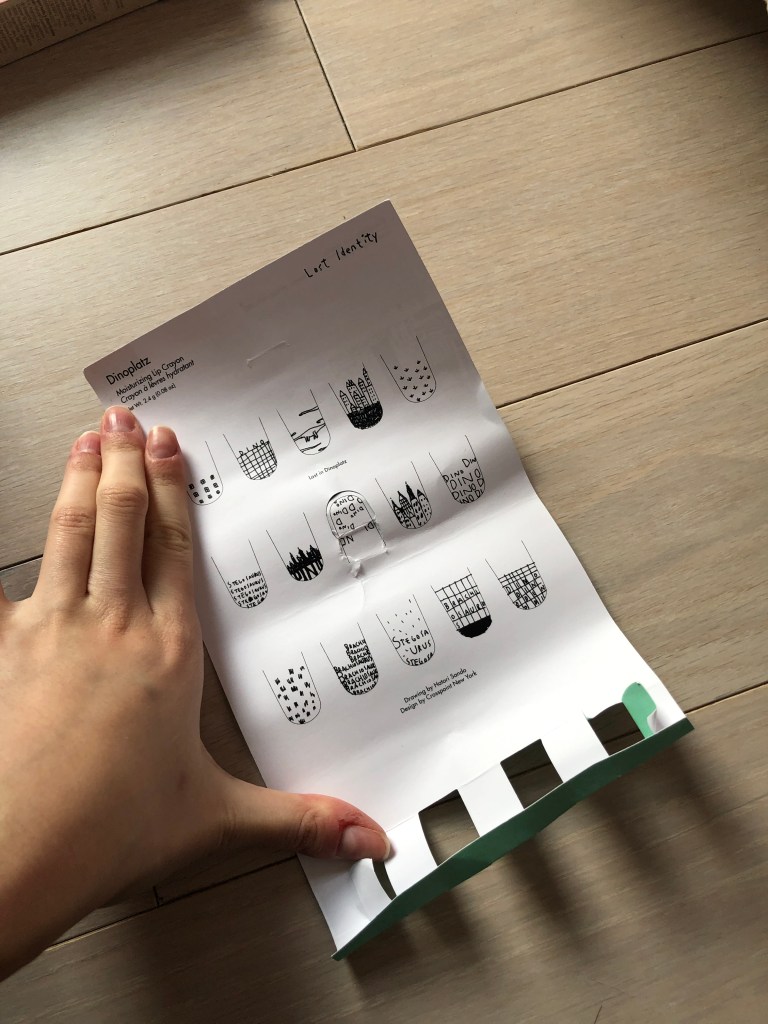
Thin paper board box sleeve.

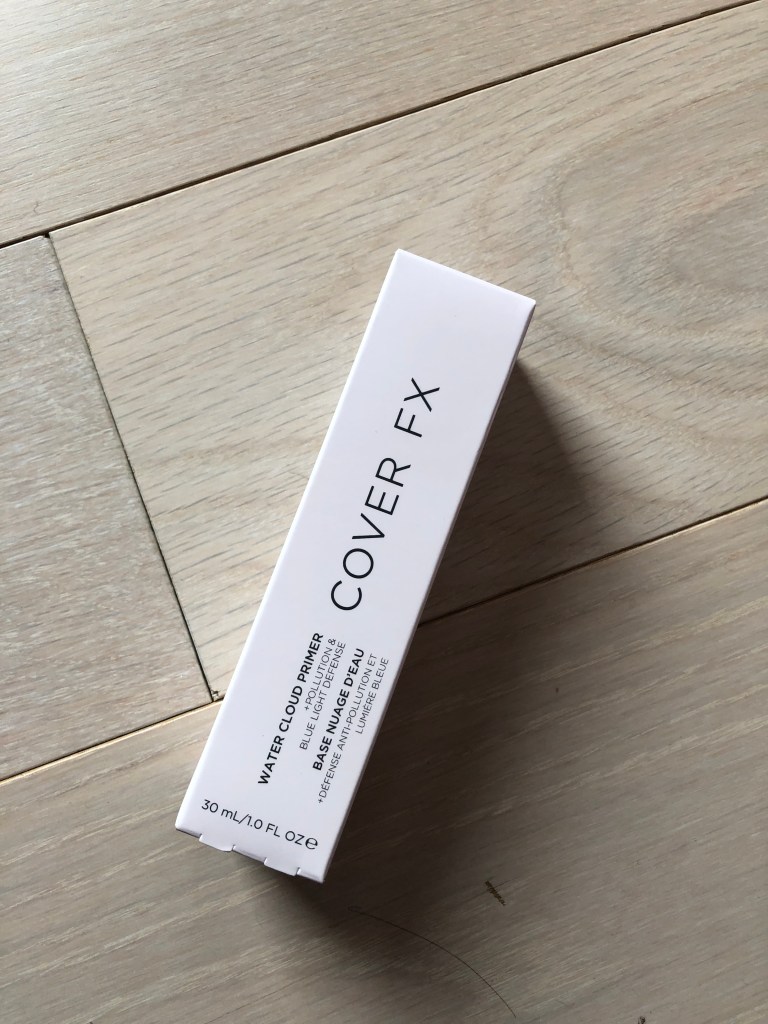
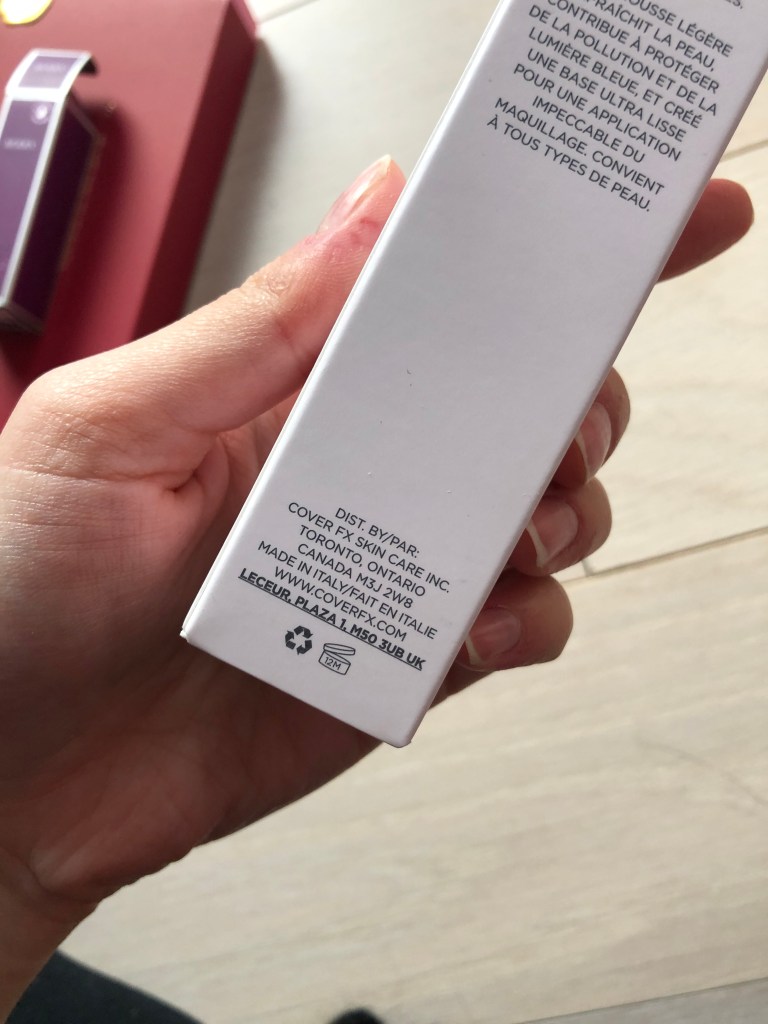
Primer paper packaging: recyclable.

Paper packaging: recyclable.

Paper packaging: recyclable.

Sustainability: water bottles analysis

JUST WATER

Price: 500ml – $0.99

Image result for just water

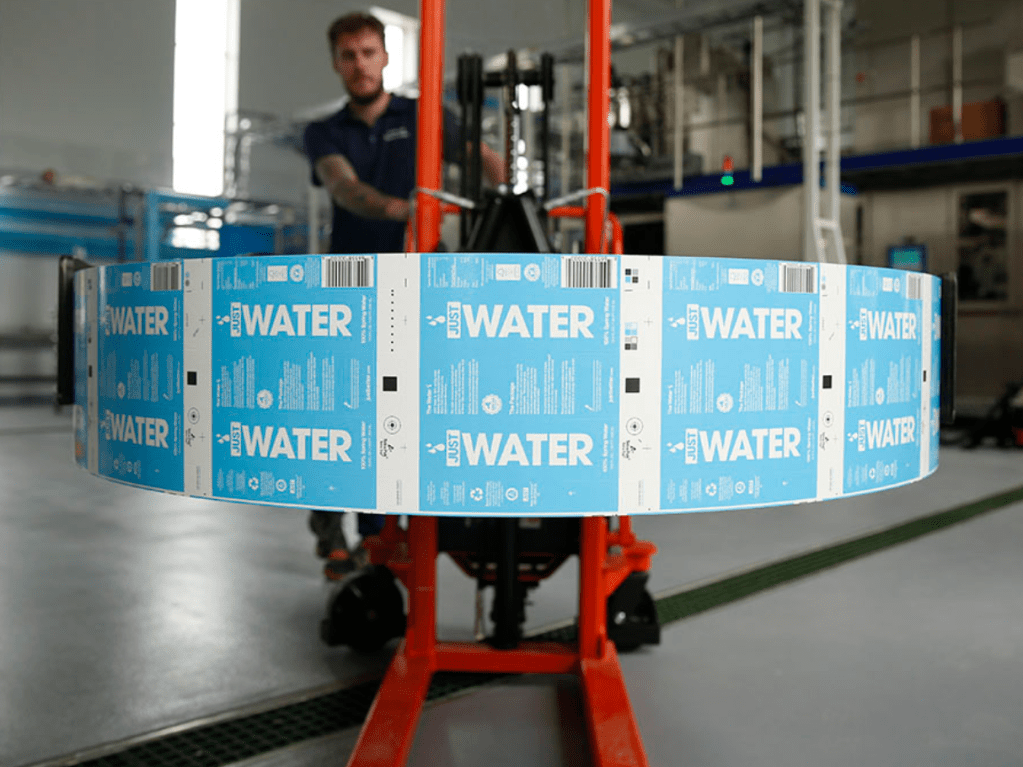
Just Water is a new water brand, launched in 2015, that is known for its sustainability efforts and on the use of recyclable materials on their packaging. According to the website packagingeurope.com, “the packaging is comprised of  82 per cent renewable resources, made mostly of paper from FSC managed forests and is recyclable in nine out of ten UK communities where roadside or bottle bank collecting is available.” Just Water team also reached Tetra Pack due to its renewed paper-base environmentally-friendly packaging.

Environmental and human impacts measured:

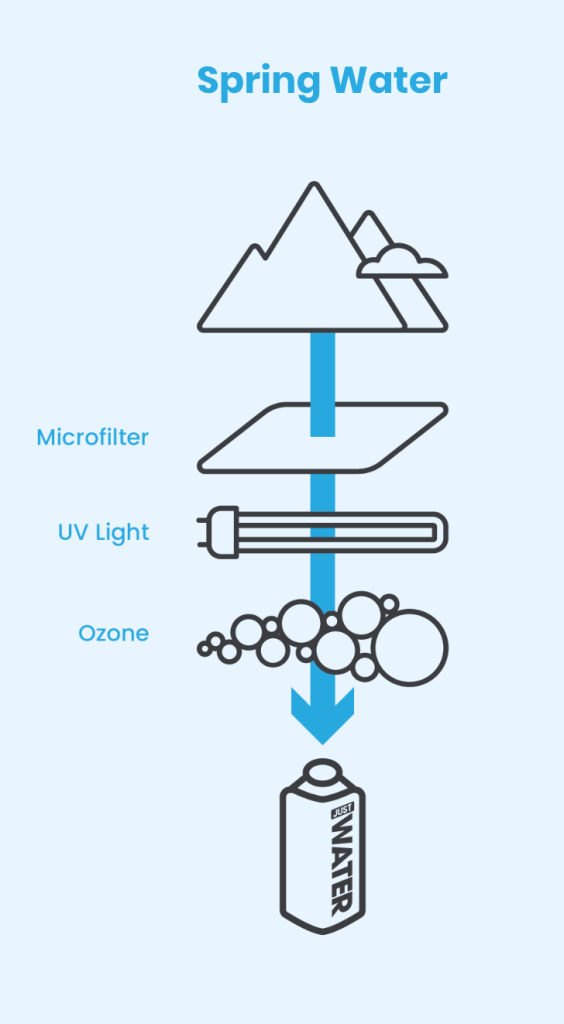
Their transparency can be seen on their website, where they explain to consumers why their bottle is consider 100% recyclable and how it affects the lives of workers, how the transportation of their bottle is made, and the positive impact it has on their consumer life. 

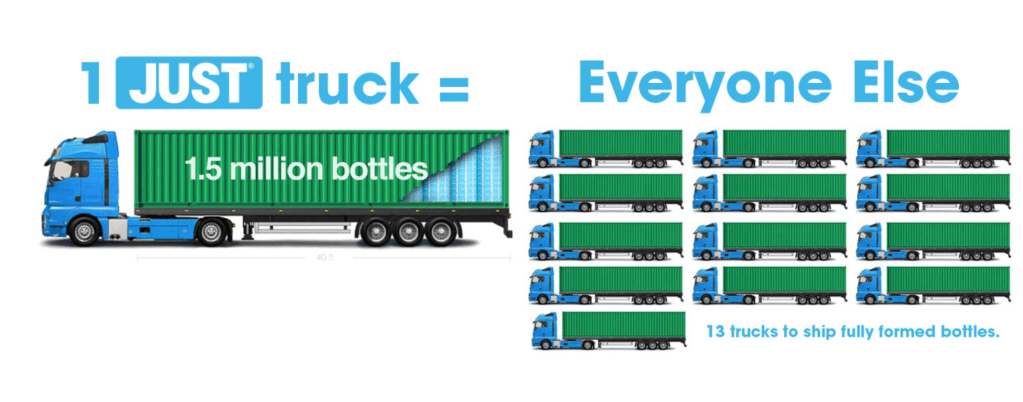
As an example, their creative idea of reinventing the water bottle in a two-dimensional form at first, enabled them to ship in 1.5 million bottles in just one truck, while normal water bottles need 13 trucks for that amount. In addition to that, the processes around the creation of the bottle is 74% less harmful, emitting less CO2 compared to a standard PET bottle.

Percentage of the packaging materials:

  • 54% paper
  • 28% plant based
  • 3% aluminium + 15% protective plastic film

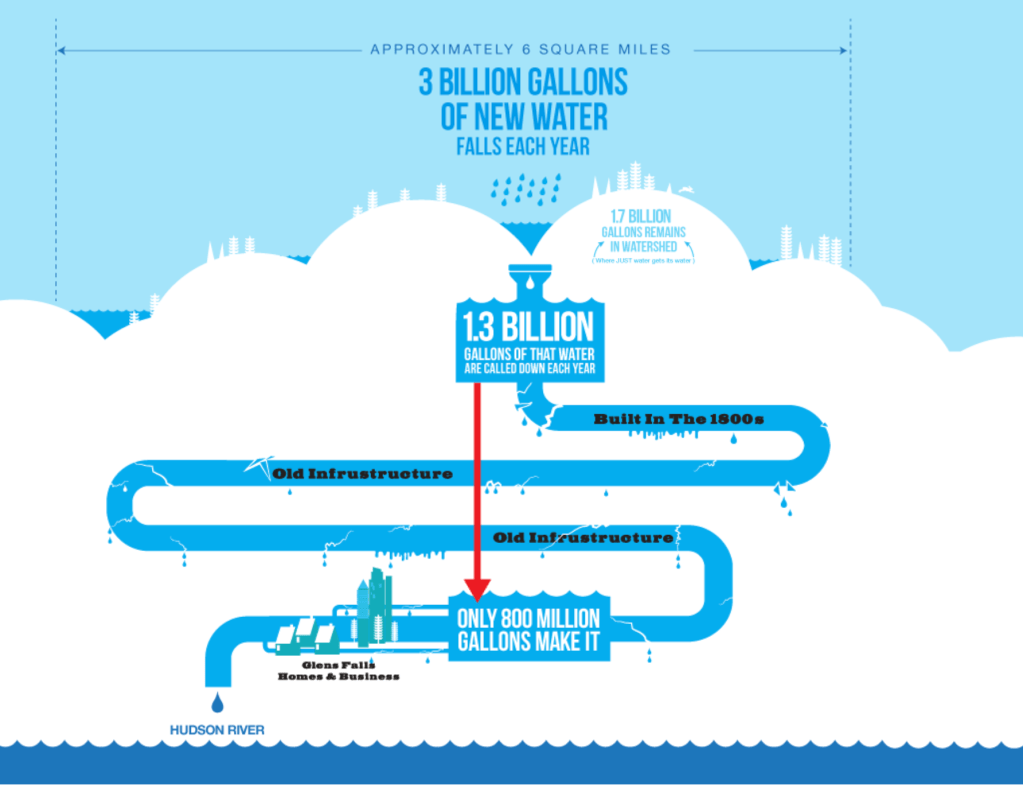
Speaking of their sustainable attempt on making a brand 100% recyclable, in their website, the company says that their main concerns regarding the water and the future bottle were: How much is available? We also asked: Is the water source sustainable over time? How do we value the water fairly? What is the impact we’re having on the community through the process, from pump to carton? This shows the company compromise with the environment and with how they work with helping the Glen Falls area. The image on the right shows how they help the city with their income, that helps maintain the infrastructure and funds repairs to the ageing water pipes for everybody.

Life cycle of the bottle: One extra point about the life cycle of the bottle is that it can be refillable, allowing the consumer to use the bottle more than once, reducing the amount of bottle wasted.

Evidence of sustainability credentials: Couldn’t find precisely but for the amount of information they have on their website, they probably have.

Objectively analyse the formal elements used:

The design of the bottle was well thought as well as the graphics on it. The colour blue related directly with the fresh spring water that the bottle holds inside and the typography makes the brand look more modern, minimalistic and straight to the point.

DASANI’S ALUMINIUM CAN

Price: not found.

Related image

Dasani is part of the giant beverage company CocaCola. For the past years, they have innovated their packaging, focusing on better and sustainable solutions for their water bottles. 

The water bottle researched here is their new aluminium bottle and can. Since the bottled water industry have been facing pressure regarding the amount of plastic they produce, CocaCola innovated their design and material, working with better options. Alongside the aluminium bottles, Dasani is also introducing a bottle with increased recycled PET (rPET) and plan-based resin.

Dasani’s percentage of the packaging materials (tried to find the exact information, but since its too new, I think its more difficult to find):

– aluminium

Environmental and human impacts measured:

On an interview with Lauren King, Dasani’s brand director, he says that the innovations were inspired by three main pillars: the expectations of the consumer in purchasing a product that contributes to a better world; the public’s desire for customisation and the joy to have beverages that support a healthy lifestyle. With that said, I believe they have come a long way, since 2009, when they launch the the PlantBottle. 

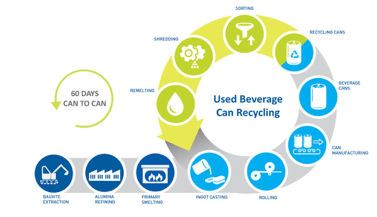
With aluminium cans, the recycling process is easier, since aluminium can be recycle many times with losing its quality of volume, unlike plastic. In addition to that, they are lighter and and less alike to end up floating in the oceans. They are not the best solution, but according to the website mentalvloss.com, they are better than plastic. 

The main difference about plastic bottles and aluminium cans are that aluminium bottles can be transformed “in into new aluminium cans, and the Aluminium Association, an industry group, estimates that almost 75 percent of all aluminium ever produced is still in use. Aluminium cans are recycled more often than plastic bottles, too—the rate for 2016 was about 50 percent.” (https://www.mentalfloss.com/article/589779/aluminum-cans-vs-plastic-bottles-which-is-worse)

Life Cycle of the product and packaging:

Attempt outline the manufacturing costs and consumer retail implications:

Regarding manufacturing and later consumer retail implications, aluminium is a mart solution money wise. According to the website https://actionrecyclingcenter.com/, “aluminium cans hold 2.5 times more beverage per cubic meter than a refillable bottle. This saves both storage and transportation space, reduces energy consumption and gas exhaust emissions.” By saving transportation and energy consumption, the price of the product is fair to the consumer, who can also reuse these bottle more than once.

Evidence of sustainability credentials:

The strongest sign that the company have boosted their sustainability credentials is the fact that they got rid of the plastic label around the bottles. The choice decreases a huge amount of plastic. And, although in the aluminium is printed the brands graphics, it does not affect the recycling of the material since, according to https://actionrecyclingcenter.com/, they are water-soluble and non-toxic.

Objectively analyse the formal elements used:

Regarding the graphics, Dasani’s rebranding looks clear and clean. It is not information polluted and they make use of just one color in slightly different tones. This makes the package aesthetically pleasing, speaking directly with the content: water.

The waves around the bottle makes it more interesting and, when placed in shelves, the visuals look great. One thing that I would ad is icons representing the line cycle of the bottle to explain to the consumer where this product will go to be reused.

VOSS

Price: 500ml – $1.79

800 ml – $2.74

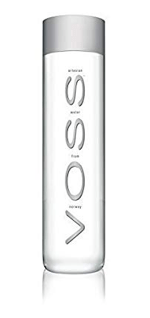
Voss is a Norwegian beverage brand. Their water comes from the VOSS source in Iveland, Southern Norway. Their water bottle are famous for their clean design. 

Voss’ percentage of the packaging materials: 

  • PET BPA-approved water bottles, 100% recyclable 
  • Glass water bottles, reusable material

Regarding sustainability as a whole, the company is concerned about how their products production impacts the environment, also being transparent in their website about how their product is made, why and what measurements the company is taking to help the environment.

Voss has a holistic view on sustainability, measuring the human impacts they cause and helping communities around the world as well as making the production of their bottle as better as they can. But how they arrived with better solutions for their bottle production?

According to 3Degrees, company that helps industries be more environmentally conscious, in 2007, “VOSS set out on a mission to take a hard look at the holistic environmental impact of its exceptionally pure bottled water products. Although VOSS offered some of the cleanest water products in the world, the company realised the process of sourcing, bottling and bringing its products to market in over 50 countries had a significant carbon footprint as the price for its success. Inconsistent with their environmental values and detrimental to the very resources from which VOSS water flows, VOSS decided it was time to make a change. VOSS approached 3Degrees to help it comprehensively address its carbon emissions, which were only going to grow significantly as the company achieved greater success.” The process for being a carbon free industry was challenging and 3Degrees helped them with a three step process: Carbon Footprint Advising and Calculation; High Caliber Carbon Offsets Purchase and Communicating to Stakeholders. With that said, we can say that Voss is one of the companies that is leaning towards the best solutions that takes into consideration both the environment and humanity.

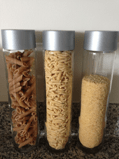
Regarding the price of the bottle, it famous for its price. Since the company spends a lot of money on marketing, the prices go up easily. On the other hand, the bottle can be reusable, specially the glass ones. Bellow are some examples of how some people reuse their Voss bottles over time:

What is the life cycle of the product and packaging

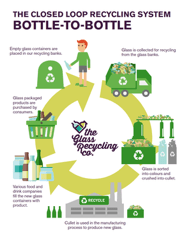
Below is an image about the standard life cycle of glass bottle, I couldn’t found the exact life cycle of Voss bottle.

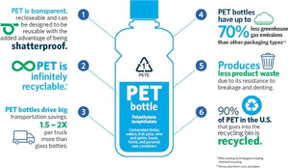
And bellow, according to the website European Plastic, the benefits of a PET bottle and information about their cycle.

*the problem about glass bottles is that, unlike PET bottle, they are heavier to transport, making the transportation more expensive and complex.

Graphics on the bottle

Voss bottles are as clean as they can be on information. Aesthetically speaking, the design matches their Norwegian source and goes well with the packaging. I believe it also relates with their consumer. It’s a more sophisticated brand, empowered by their advertising. Particularly speaking, I love minimalistic design, but viewing from a sustainable point, the label is printed on the bottle and there is not much information about the product, if the consumer wants to know the recycling information. I think it would be nice to add a little more information on it.

SMART WATER

Price: 700ml – $1.39

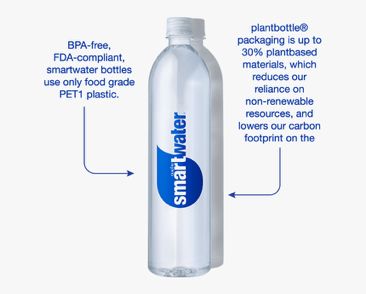
Smart Water, is from Glacéau, a Coca Cola European partner that has been committing to use 100% recycled PET bottles for their water. Like Voss, the bottle is BPA-free.

The materials are:

100% rPET

Sustainable choices for a better future:

According to the website packagingdigest.com, “Earlier this summer and together with The Coca-Cola Co., CCEP announced that Honest teas, Glacéau Smartwater and Chaudfontaine bottled water brands will be sold in bottles made from 100% recycled polyethylene terephthalate (rPET) plastic. The rollout planned to start in early 2020 will eliminate the need for 9,000 tonnes/9,920 tons of virgin plastic yearly across Western Europe.” 

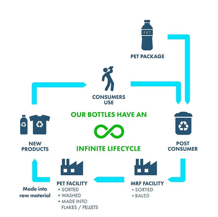
On the right, there is the rPET bottles life cycle:

Regarding the production of their water, in their website they have information of how their water is produced, together with the benefits of it.

1. vapor distillation is the first step in creating purifed water the way nature intended. it replicates the hydrologic cycle to create water that’s as pure as the first drop of rain.

2. the process separates, purifies and then “regroups” the water molecules.

3. heat is used to vaporize water which leaves behind contaminants and dissolved solids. 

4. the vapor is then cooled and the water condenses back to a purified state.

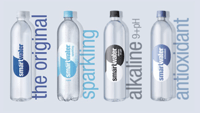
Regarding the label and graphics, the downside here is that the label is printed. On the other hand, it is easily removed. The logo is simple and it is what makes the bottle a SmartWater bottle. The informations are on the back of the bottle and the colors change according to the type of water you are buying.  

RESOURCES

https://www.bloomberg.com/news/articles/2019-08-13/coke-putting-dasani-water-in-cans-amid-backlash-against-plastic

https://www.drinksmartwater.com/faqs/

https://www.eppm.com/materials/amcor-leads-new-choose-plastic-initiative/

Click to access 3D_CaseStudy-VOSS-2018.pdf

https://www.care.com/c/stories/4301/what-does-bpa-free-mean/

https://en.wikipedia.org/wiki/Voss_(water)

https://en.cocacolavietnam.com/press-center/press-releases/coca-cola-boosts-sustainability-credentials-by-removing-the-plas

https://www.bevnet.com/news/2017/carton-waters-take-different-routes-growth

https://www.packagingdigest.com/sustainable-packaging/beverage-brands-bank-rpet-4-pkg-sustain-19-09-11

https://www.bloomberg.com/news/articles/2019-08-13/coke-putting-dasani-water-in-cans-amid-backlash-against-plastic

https://www.aiche.org/ifs/aiche-credential-sustainability-professionals

https://www.coca-colacompany.com/news/dasani-boosts-sustainability-credentials

https://www.mentalfloss.com/article/589779/aluminum-cans-vs-plastic-bottles-which-is-worse

https://www.fastcompany.com/90421638/boxed-water-isnt-the-environmental-solution-they-want-you-to-think-it-is

https://www.packagingdigest.com/smartwater-raises-its-packaging-iq-new-look

Natura Sou: a sustainable, human centred design

Related image

Natura is a Brazilian cosmetic brand that went trhough a big and positive change on their packaging design for their line Sou. The company is famous for its natural ingredients, its solutions for smart, eco-friendly products, and their concern with the environment and how they always focus on their user needs and wants. Sou was launched in 2012, as an approach to bring a new concept and a new value proposal to the consumer, so that the brand would occupy an intermediary price slot in the market. The design agencies that worked on Sou were Questtonó and Tátil, which, together with Natura, found the solution by focusing primarily on sustainability and their user experience.

To reach the final result, the team went through a long process involving multidisciplinary teams such as designers, pharmacists, and marketing teams. Here enters Human-Centered Desing. As Juliana Bauer says on the website designbrasil.com, the brand built an integrative team that, through Design Thinking Process, found new solutions to create a product with the least environmental impact possible.

After getting to know their user’s needs, and the environmental impact of their product regarding production, transportation and prices, they created basic sketches and small-scale prototypes for them to understand how their users would interact with the process. Here, again, the user is the main focus. In the final process they began doing real size mockups and high fidelity prototypes to see how it would work as a final result.

The final solution, like Rodrigo Maia, affirms on his website, “was an innovative approach by a cosmetics brand that adopted the pouch as the principal packaging.” As a result, “the new process requires less energy and less production time, decreases the amount of plastic in packaging by 70%, and reduces the final cost of the product by 50%. This process also enables the filing of the product to occur in the same assembly line, therefore considerably eliminated steps of production and transportation.” With that said, the packaging solution allows users to use the product until the last drop, as their tag line affirms. The dynamics of the package and how one holds it is also really comforting and organic, making it pleasant to the eyes as well as for the hands.

Introduce Yourself (Example Post)

This is an example post, originally published as part of Blogging University. Enroll in one of our ten programs, and start your blog right.

You’re going to publish a post today. Don’t worry about how your blog looks. Don’t worry if you haven’t given it a name yet, or you’re feeling overwhelmed. Just click the “New Post” button, and tell us why you’re here.

Why do this?

  • Because it gives new readers context. What are you about? Why should they read your blog?
  • Because it will help you focus you own ideas about your blog and what you’d like to do with it.

The post can be short or long, a personal intro to your life or a bloggy mission statement, a manifesto for the future or a simple outline of your the types of things you hope to publish.

To help you get started, here are a few questions:

  • Why are you blogging publicly, rather than keeping a personal journal?
  • What topics do you think you’ll write about?
  • Who would you love to connect with via your blog?
  • If you blog successfully throughout the next year, what would you hope to have accomplished?

You’re not locked into any of this; one of the wonderful things about blogs is how they constantly evolve as we learn, grow, and interact with one another — but it’s good to know where and why you started, and articulating your goals may just give you a few other post ideas.

Can’t think how to get started? Just write the first thing that pops into your head. Anne Lamott, author of a book on writing we love, says that you need to give yourself permission to write a “crappy first draft”. Anne makes a great point — just start writing, and worry about editing it later.

When you’re ready to publish, give your post three to five tags that describe your blog’s focus — writing, photography, fiction, parenting, food, cars, movies, sports, whatever. These tags will help others who care about your topics find you in the Reader. Make sure one of the tags is “zerotohero,” so other new bloggers can find you, too.

Design a site like this with WordPress.com
Get started