JUST WATER
Price: 500ml – $0.99

Just Water is a new water brand, launched in 2015, that is known for its sustainability efforts and on the use of recyclable materials on their packaging. According to the website packagingeurope.com, “the packaging is comprised of 82 per cent renewable resources, made mostly of paper from FSC managed forests and is recyclable in nine out of ten UK communities where roadside or bottle bank collecting is available.” Just Water team also reached Tetra Pack due to its renewed paper-base environmentally-friendly packaging.
Environmental and human impacts measured:
Their transparency can be seen on their website, where they explain to consumers why their bottle is consider 100% recyclable and how it affects the lives of workers, how the transportation of their bottle is made, and the positive impact it has on their consumer life.
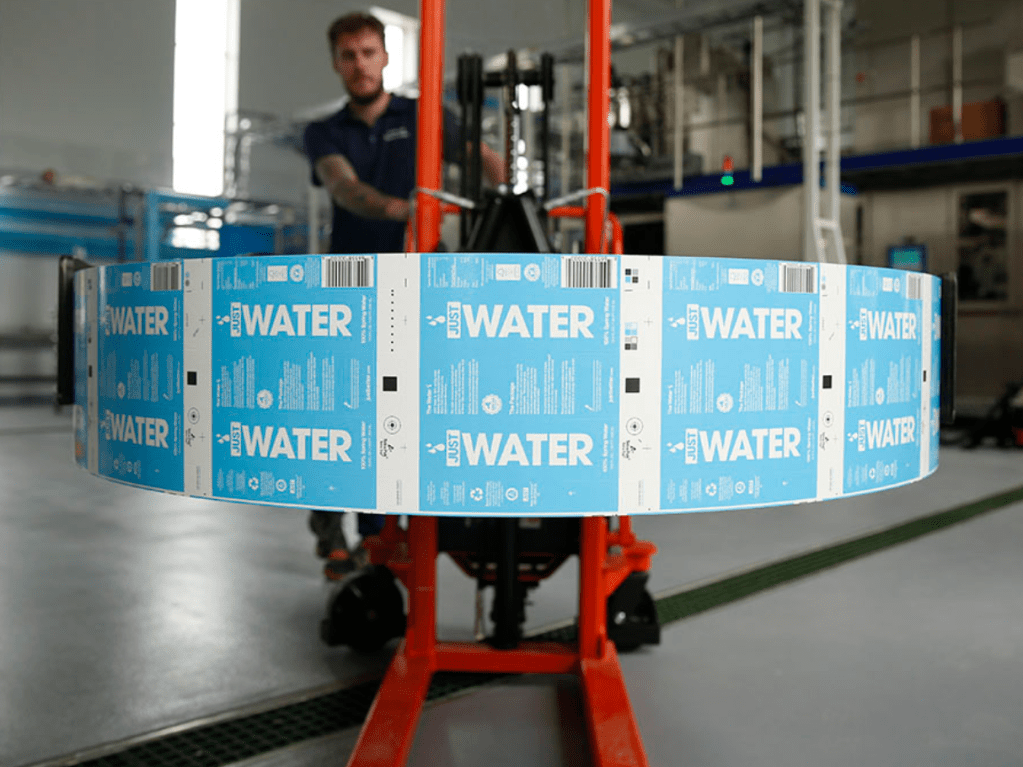
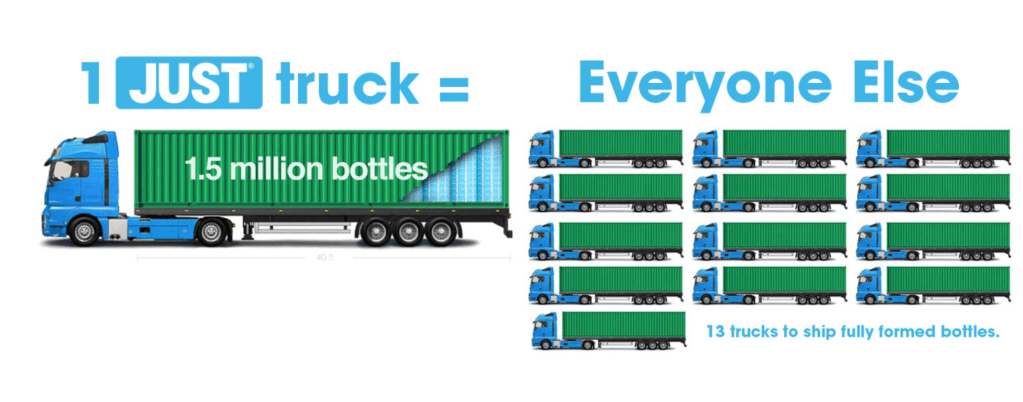
As an example, their creative idea of reinventing the water bottle in a two-dimensional form at first, enabled them to ship in 1.5 million bottles in just one truck, while normal water bottles need 13 trucks for that amount. In addition to that, the processes around the creation of the bottle is 74% less harmful, emitting less CO2 compared to a standard PET bottle.
Percentage of the packaging materials:
- 54% paper
- 28% plant based
- 3% aluminium + 15% protective plastic film
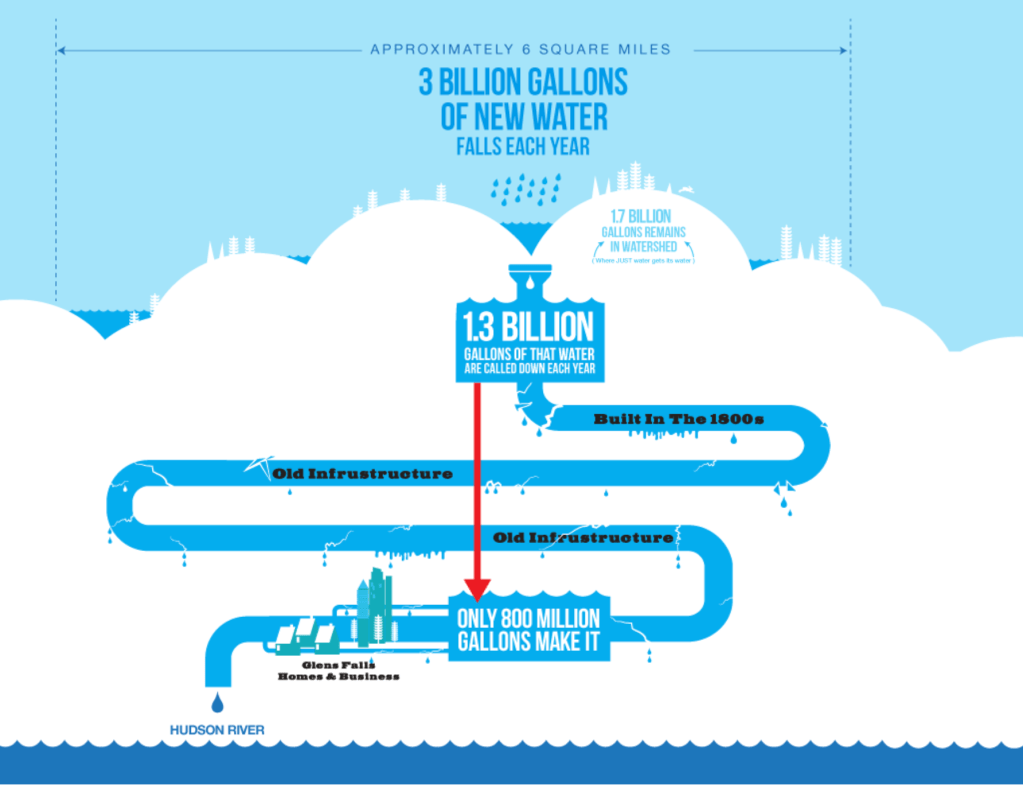
Speaking of their sustainable attempt on making a brand 100% recyclable, in their website, the company says that their main concerns regarding the water and the future bottle were: How much is available? We also asked: Is the water source sustainable over time? How do we value the water fairly? What is the impact we’re having on the community through the process, from pump to carton? This shows the company compromise with the environment and with how they work with helping the Glen Falls area. The image on the right shows how they help the city with their income, that helps maintain the infrastructure and funds repairs to the ageing water pipes for everybody.
Life cycle of the bottle: One extra point about the life cycle of the bottle is that it can be refillable, allowing the consumer to use the bottle more than once, reducing the amount of bottle wasted.
Evidence of sustainability credentials: Couldn’t find precisely but for the amount of information they have on their website, they probably have.
Objectively analyse the formal elements used:
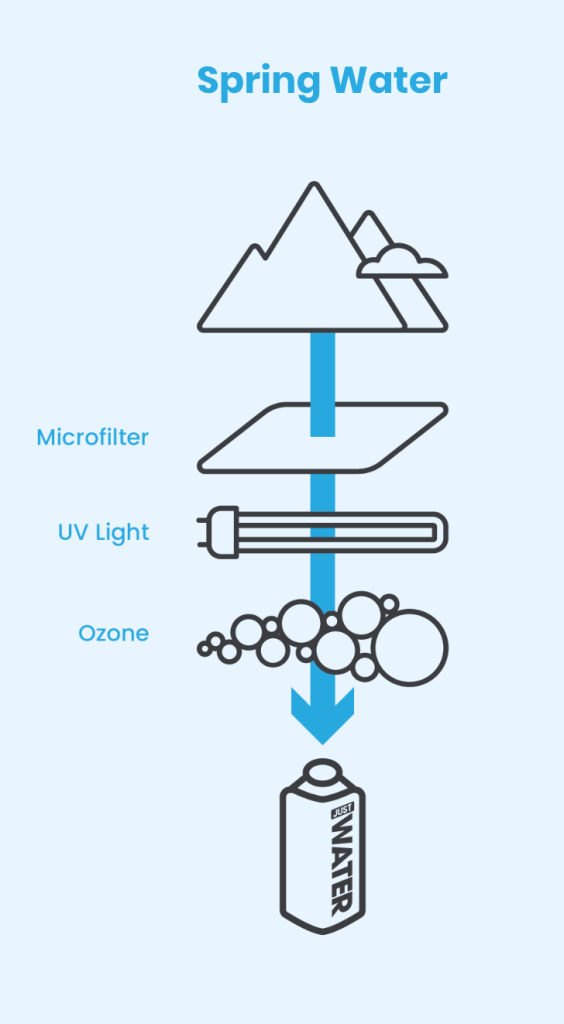
The design of the bottle was well thought as well as the graphics on it. The colour blue related directly with the fresh spring water that the bottle holds inside and the typography makes the brand look more modern, minimalistic and straight to the point.
DASANI’S ALUMINIUM CAN
Price: not found.

Dasani is part of the giant beverage company CocaCola. For the past years, they have innovated their packaging, focusing on better and sustainable solutions for their water bottles.
The water bottle researched here is their new aluminium bottle and can. Since the bottled water industry have been facing pressure regarding the amount of plastic they produce, CocaCola innovated their design and material, working with better options. Alongside the aluminium bottles, Dasani is also introducing a bottle with increased recycled PET (rPET) and plan-based resin.
Dasani’s percentage of the packaging materials (tried to find the exact information, but since its too new, I think its more difficult to find):
– aluminium
Environmental and human impacts measured:
On an interview with Lauren King, Dasani’s brand director, he says that the innovations were inspired by three main pillars: the expectations of the consumer in purchasing a product that contributes to a better world; the public’s desire for customisation and the joy to have beverages that support a healthy lifestyle. With that said, I believe they have come a long way, since 2009, when they launch the the PlantBottle.
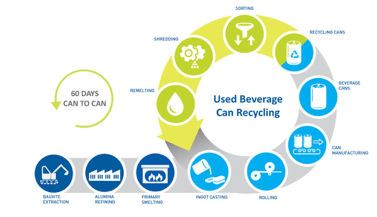
With aluminium cans, the recycling process is easier, since aluminium can be recycle many times with losing its quality of volume, unlike plastic. In addition to that, they are lighter and and less alike to end up floating in the oceans. They are not the best solution, but according to the website mentalvloss.com, they are better than plastic.
The main difference about plastic bottles and aluminium cans are that aluminium bottles can be transformed “in into new aluminium cans, and the Aluminium Association, an industry group, estimates that almost 75 percent of all aluminium ever produced is still in use. Aluminium cans are recycled more often than plastic bottles, too—the rate for 2016 was about 50 percent.” (https://www.mentalfloss.com/article/589779/aluminum-cans-vs-plastic-bottles-which-is-worse)
Life Cycle of the product and packaging:
Attempt outline the manufacturing costs and consumer retail implications:
Regarding manufacturing and later consumer retail implications, aluminium is a mart solution money wise. According to the website https://actionrecyclingcenter.com/, “aluminium cans hold 2.5 times more beverage per cubic meter than a refillable bottle. This saves both storage and transportation space, reduces energy consumption and gas exhaust emissions.” By saving transportation and energy consumption, the price of the product is fair to the consumer, who can also reuse these bottle more than once.
Evidence of sustainability credentials:
The strongest sign that the company have boosted their sustainability credentials is the fact that they got rid of the plastic label around the bottles. The choice decreases a huge amount of plastic. And, although in the aluminium is printed the brands graphics, it does not affect the recycling of the material since, according to https://actionrecyclingcenter.com/, they are water-soluble and non-toxic.
Objectively analyse the formal elements used:
Regarding the graphics, Dasani’s rebranding looks clear and clean. It is not information polluted and they make use of just one color in slightly different tones. This makes the package aesthetically pleasing, speaking directly with the content: water.
The waves around the bottle makes it more interesting and, when placed in shelves, the visuals look great. One thing that I would ad is icons representing the line cycle of the bottle to explain to the consumer where this product will go to be reused.
VOSS
Price: 500ml – $1.79
800 ml – $2.74
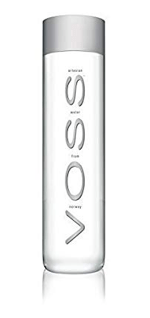
Voss is a Norwegian beverage brand. Their water comes from the VOSS source in Iveland, Southern Norway. Their water bottle are famous for their clean design.
Voss’ percentage of the packaging materials:
- PET BPA-approved water bottles, 100% recyclable
- Glass water bottles, reusable material
Regarding sustainability as a whole, the company is concerned about how their products production impacts the environment, also being transparent in their website about how their product is made, why and what measurements the company is taking to help the environment.
Voss has a holistic view on sustainability, measuring the human impacts they cause and helping communities around the world as well as making the production of their bottle as better as they can. But how they arrived with better solutions for their bottle production?
According to 3Degrees, company that helps industries be more environmentally conscious, in 2007, “VOSS set out on a mission to take a hard look at the holistic environmental impact of its exceptionally pure bottled water products. Although VOSS offered some of the cleanest water products in the world, the company realised the process of sourcing, bottling and bringing its products to market in over 50 countries had a significant carbon footprint as the price for its success. Inconsistent with their environmental values and detrimental to the very resources from which VOSS water flows, VOSS decided it was time to make a change. VOSS approached 3Degrees to help it comprehensively address its carbon emissions, which were only going to grow significantly as the company achieved greater success.” The process for being a carbon free industry was challenging and 3Degrees helped them with a three step process: Carbon Footprint Advising and Calculation; High Caliber Carbon Offsets Purchase and Communicating to Stakeholders. With that said, we can say that Voss is one of the companies that is leaning towards the best solutions that takes into consideration both the environment and humanity.
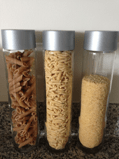
Regarding the price of the bottle, it famous for its price. Since the company spends a lot of money on marketing, the prices go up easily. On the other hand, the bottle can be reusable, specially the glass ones. Bellow are some examples of how some people reuse their Voss bottles over time:
What is the life cycle of the product and packaging
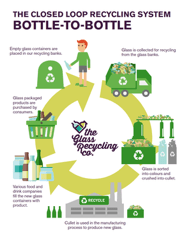
Below is an image about the standard life cycle of glass bottle, I couldn’t found the exact life cycle of Voss bottle.
And bellow, according to the website European Plastic, the benefits of a PET bottle and information about their cycle.
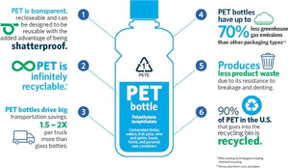
*the problem about glass bottles is that, unlike PET bottle, they are heavier to transport, making the transportation more expensive and complex.
Graphics on the bottle
Voss bottles are as clean as they can be on information. Aesthetically speaking, the design matches their Norwegian source and goes well with the packaging. I believe it also relates with their consumer. It’s a more sophisticated brand, empowered by their advertising. Particularly speaking, I love minimalistic design, but viewing from a sustainable point, the label is printed on the bottle and there is not much information about the product, if the consumer wants to know the recycling information. I think it would be nice to add a little more information on it.
SMART WATER
Price: 700ml – $1.39
Smart Water, is from Glacéau, a Coca Cola European partner that has been committing to use 100% recycled PET bottles for their water. Like Voss, the bottle is BPA-free.
The materials are:
100% rPET
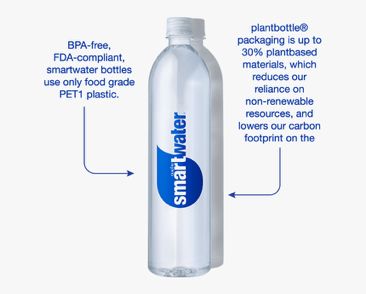
Sustainable choices for a better future:
According to the website packagingdigest.com, “Earlier this summer and together with The Coca-Cola Co., CCEP announced that Honest teas, Glacéau Smartwater and Chaudfontaine bottled water brands will be sold in bottles made from 100% recycled polyethylene terephthalate (rPET) plastic. The rollout planned to start in early 2020 will eliminate the need for 9,000 tonnes/9,920 tons of virgin plastic yearly across Western Europe.”
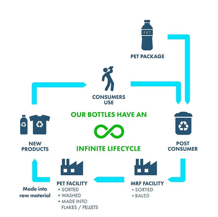
On the right, there is the rPET bottles life cycle:
Regarding the production of their water, in their website they have information of how their water is produced, together with the benefits of it.
1. vapor distillation is the first step in creating purifed water the way nature intended. it replicates the hydrologic cycle to create water that’s as pure as the first drop of rain.
2. the process separates, purifies and then “regroups” the water molecules.
3. heat is used to vaporize water which leaves behind contaminants and dissolved solids.
4. the vapor is then cooled and the water condenses back to a purified state.
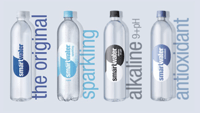
Regarding the label and graphics, the downside here is that the label is printed. On the other hand, it is easily removed. The logo is simple and it is what makes the bottle a SmartWater bottle. The informations are on the back of the bottle and the colors change according to the type of water you are buying.
RESOURCES
https://www.drinksmartwater.com/faqs/
https://www.eppm.com/materials/amcor-leads-new-choose-plastic-initiative/
Click to access 3D_CaseStudy-VOSS-2018.pdf
https://www.care.com/c/stories/4301/what-does-bpa-free-mean/
https://en.wikipedia.org/wiki/Voss_(water)
https://www.bevnet.com/news/2017/carton-waters-take-different-routes-growth
https://www.aiche.org/ifs/aiche-credential-sustainability-professionals
https://www.coca-colacompany.com/news/dasani-boosts-sustainability-credentials
https://www.mentalfloss.com/article/589779/aluminum-cans-vs-plastic-bottles-which-is-worse
https://www.packagingdigest.com/smartwater-raises-its-packaging-iq-new-look
 InfinityCycle