Trash 1 and 2
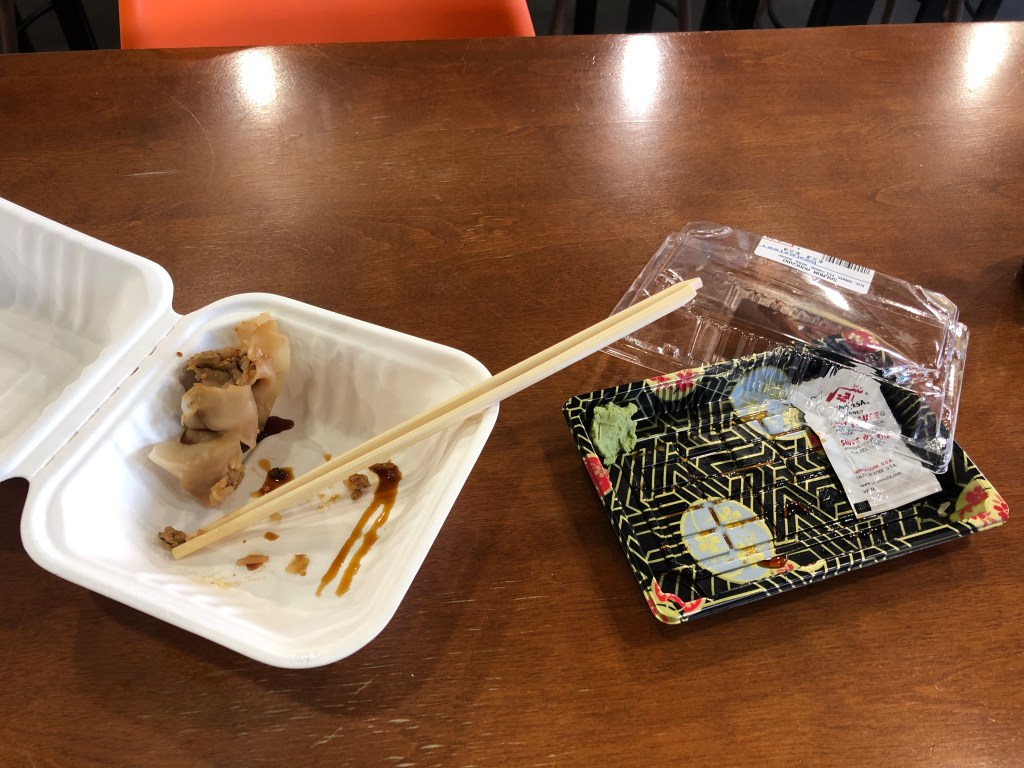
My first garbage was this two containers of food. One was for sushi and the other for dumplings. The sushi one had two types of plastic. Below there is a closeup picture of the recycling information for the plate (black).
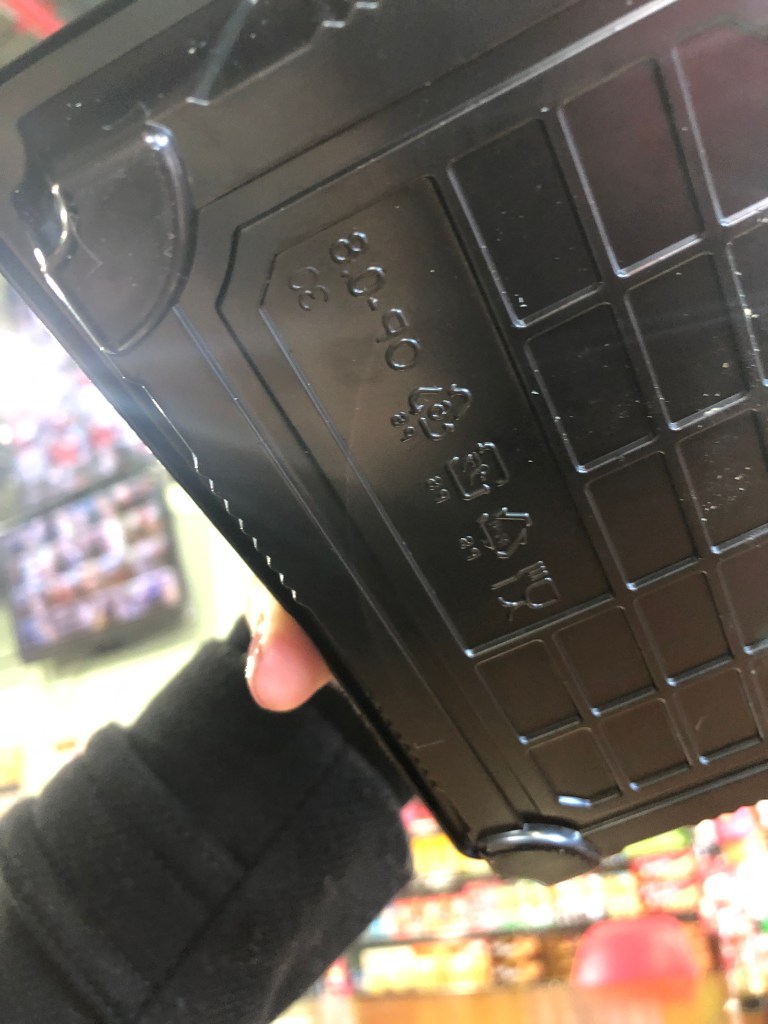
As we can see, the recycle number is 6, in other words, it says that this type of plastic is PS (Polystyrene). According to Natural Home Brands website, https://www.naturalhomebrands.com/, this type of plastic is a naturally transparent thermoplastic that is available as a solid plastic as well in as in the form of a rigid foam material (Styrofoam). Once they are not biodegradable, they are really difficult to recycle, taking hundreds of years to deteriorate. It can he harmful for our health, once it can leach potentially harmful toxic chemicals, especially when heated. Unfortunately, the food industry uses it a lot, mostly in egg cartons, meat trays, disposable paper plates & cups (to-go boxes), medical test tubes, CD cases, smoke detectors, and the red “solo” cup.
PS lifecycle:

Where does PS packages go after used and thrown away?
The process that happens after PS is thrown away is complicated. This type of plastic and its derivatives, like EPS (Expanded Polystyrene), are really difficult to be recycled. Because of its lightness, it is hard to collect from curb-side containers — it often blows away, becoming litter. And because of its bulkiness, it gets difficult and expansive to transport. Unfortunately, many municipal recycling programs don’t except it.
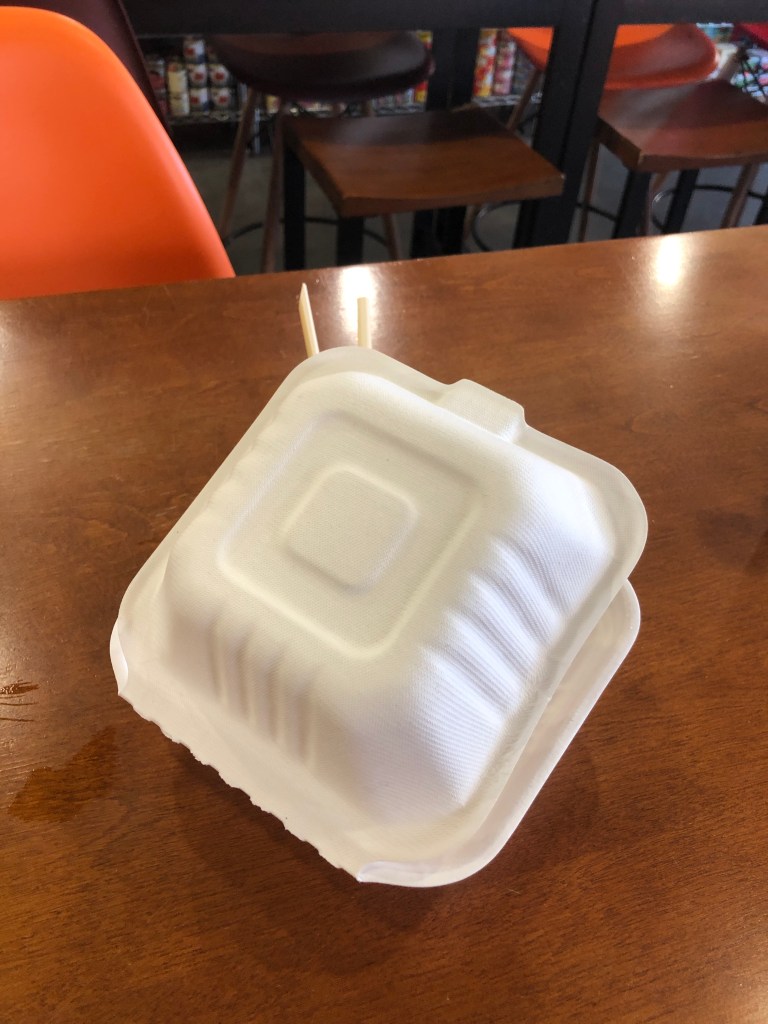
The other package, as well as the one discussed above, is a PS derivative, EPS. It has the same recycle problems and although it has positive points, like its lightness and durability, it can be really harmful for our health and for nature.
Trash 3 and 4
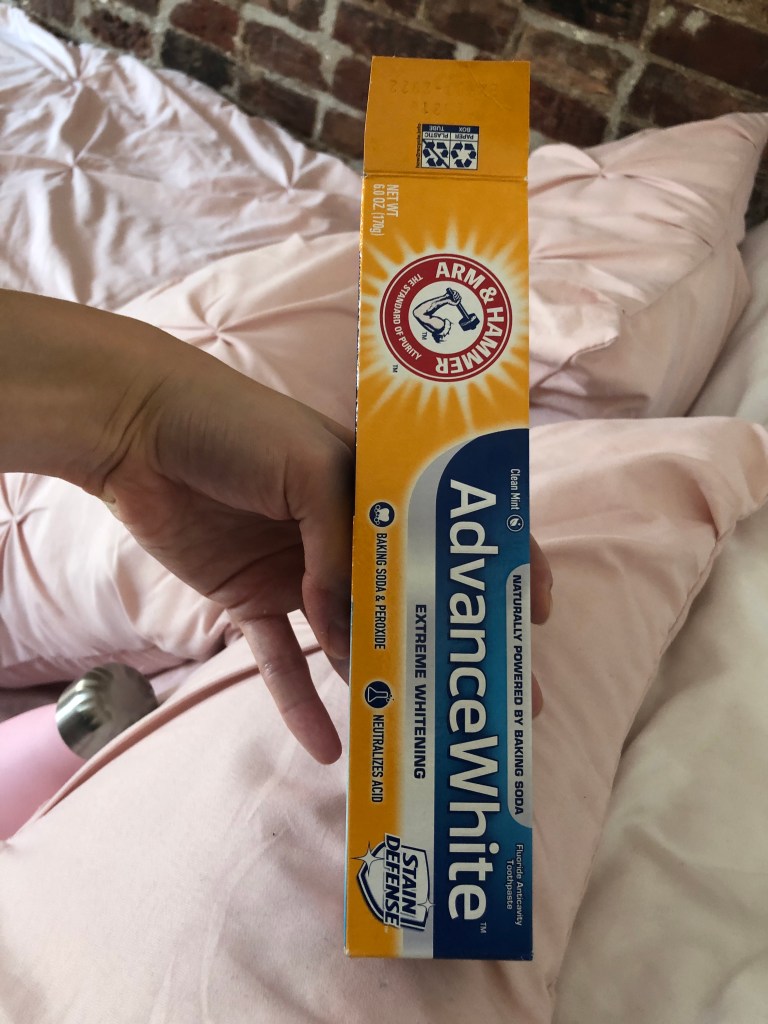
Paper packaging
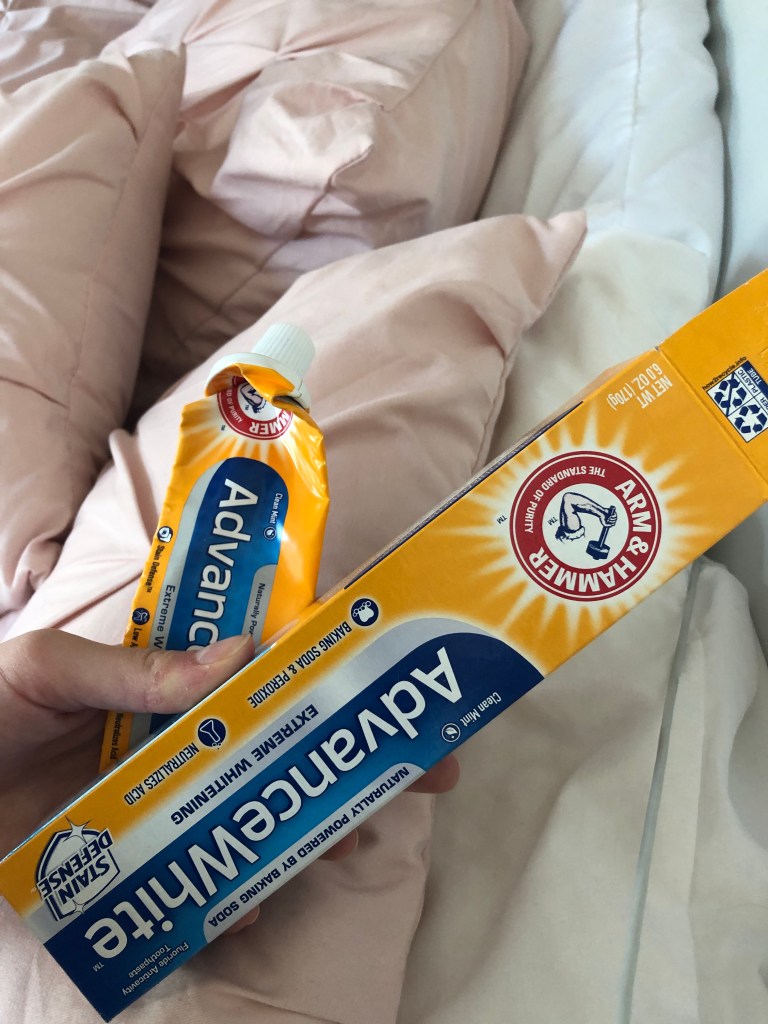
Material: paperboard box. According to the symbol underneath the box, it says that it is recyclable. Although it says that, there are critics around tooth pastes and why they use two packages for a product that already has one that is enough. It is literally thrown away as soon as we open the box to get the tooth paste. According to the website https://cnsmaryland.org/2019/03/08/critics-see-toothpaste-boxes-as-threat-to-environment/, “the creation of paperboard contributes to deforestation, increased water consumption and higher greenhouse gas emissions, according to the American Council for an Energy-Efficient Economy. In the United States, pulp and paper production is the sixth-largest contributor to air, water and land contamination.“
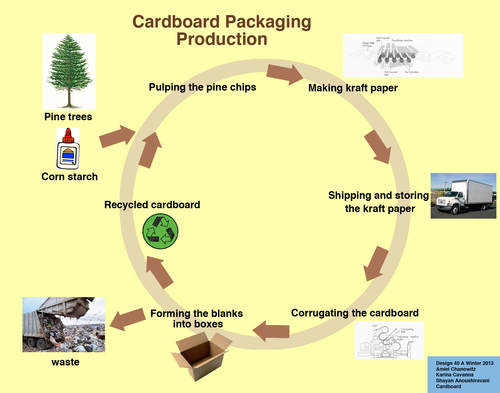
Paper board life cycle:
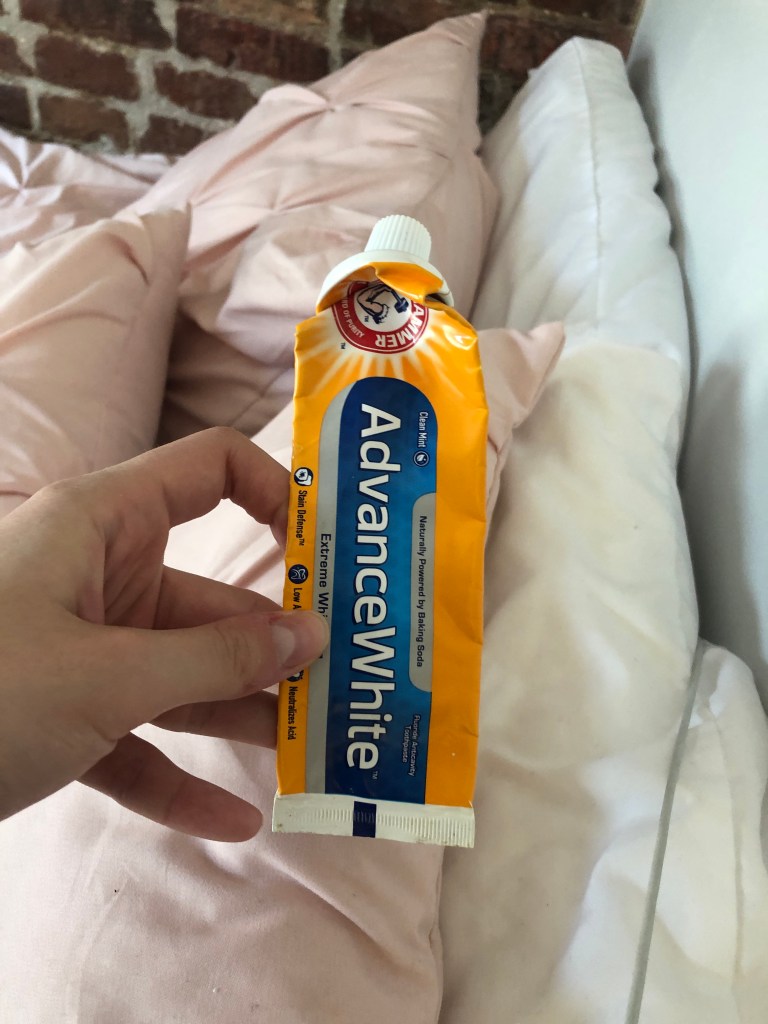
Used tooth paste with some product inside that i couldn’t take out.
Materials: nylon bristles, metal staple that holds the bristles in place and a plastic handle.
Recycle: although it look like toothpastes are not recyclable, they are. According to the website https://earth911.com/living-well-being/health/recycling-toothbrushes-and-toothpaste-tubes/, the correct way to recycle them is: “After you’ve tracked down the correct material, clean out your tubes, and use Earth911 Recycling Search to find recycling solutions in your area. To prepare your tubes, squeeze out as much of the remaining toothpaste as possible. Then, cut the neck off the top of the tube, and carefully cut a slit along the side. Rinse out any remaining toothpaste with warm water and soap, and it’s ready to recycle in areas where toothpaste tubes are accepted.”
Trash 5
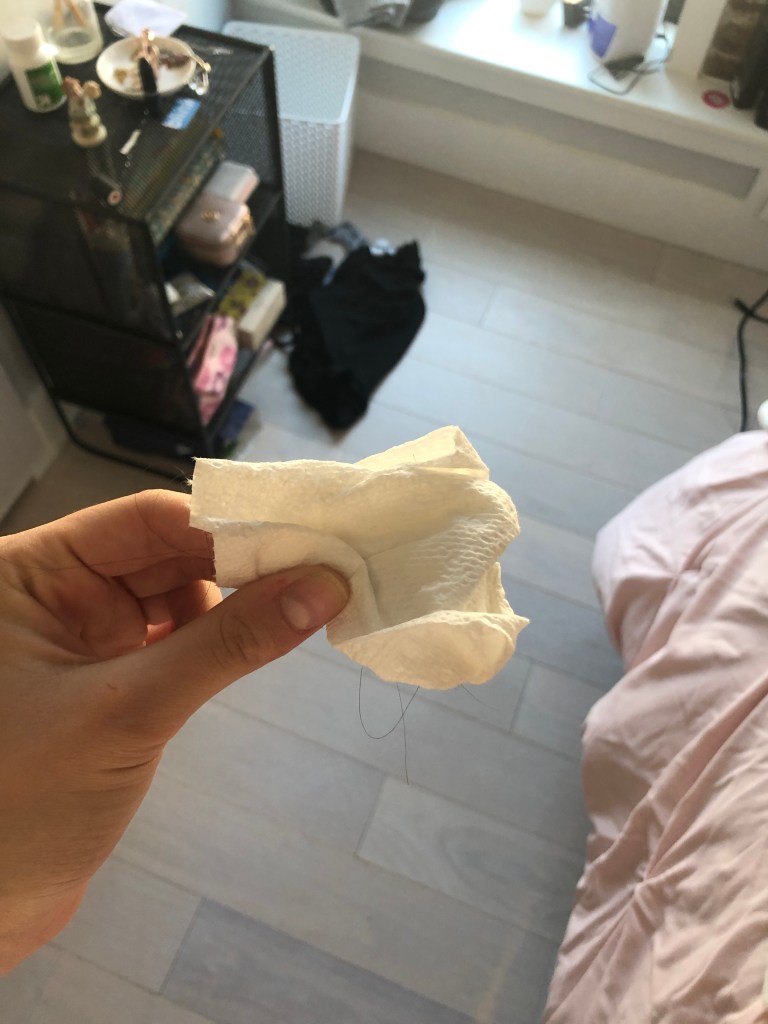
Paper towel
Recycle:I thought recycling paper towels was easy but as according to a research I made, the process is more complicated than other paper’s recycling. As Stanford Magazine says on their website, paper towels are more difficult to recycle because of the size of their fibres, that are short. “Papermaking fibers can typically be recycled five to seven times before they become too short to be recycled again, and paper towels and napkins are the last stop in the recycling chain.” In addition to that, only clean paper towels could be recycled, and generally almost all the pieces we through away each day is full of contaminants that make the recycling process inevitable.
Trash 6
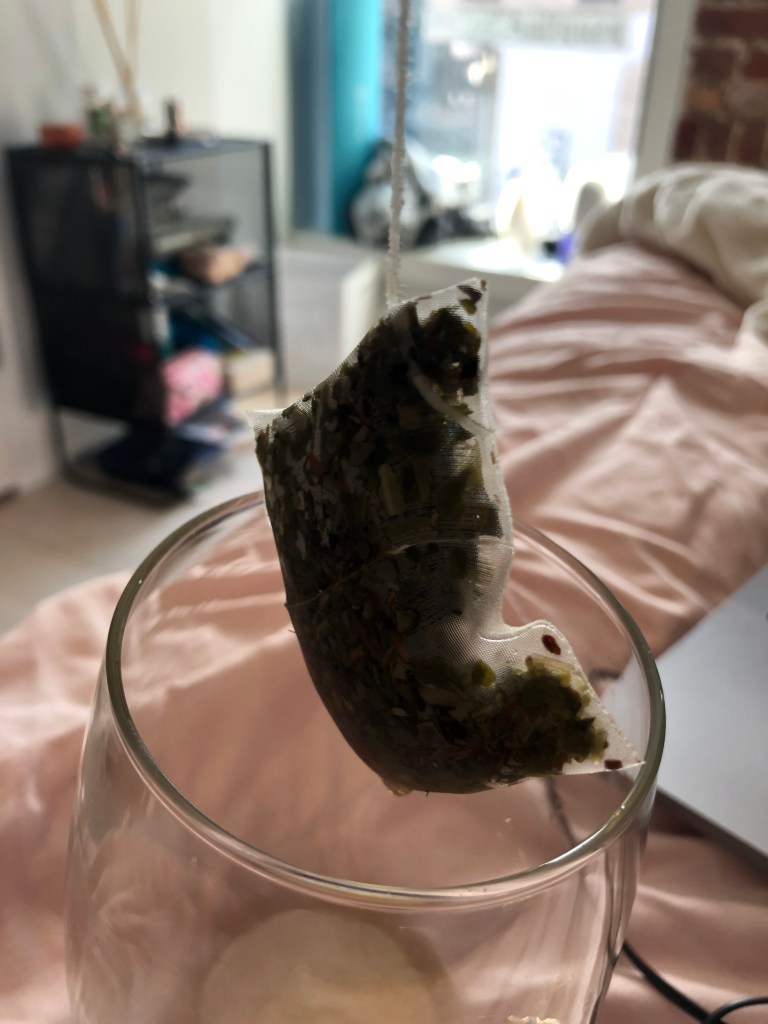
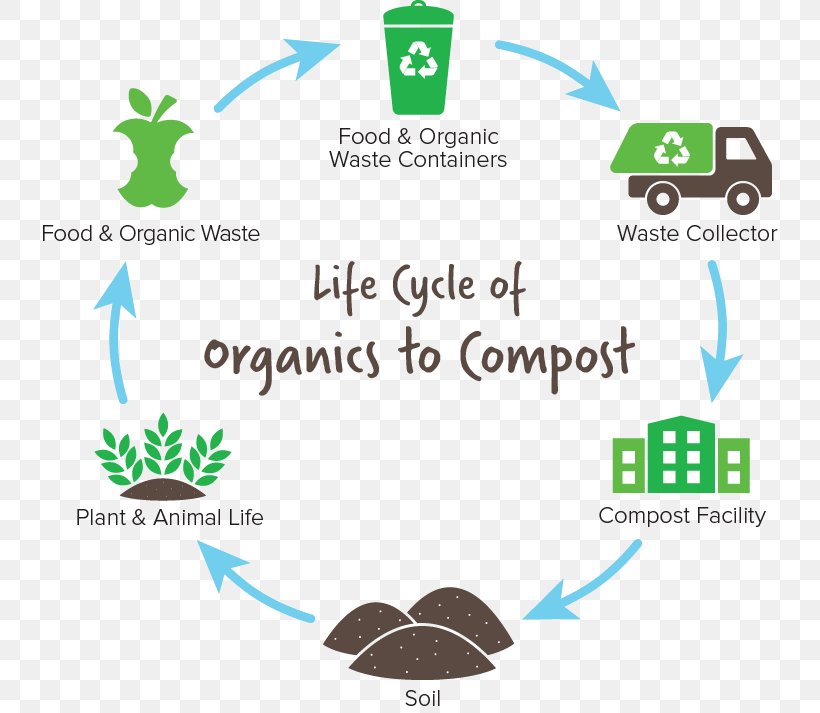
Used tea bag: organic trash.
Trash 7
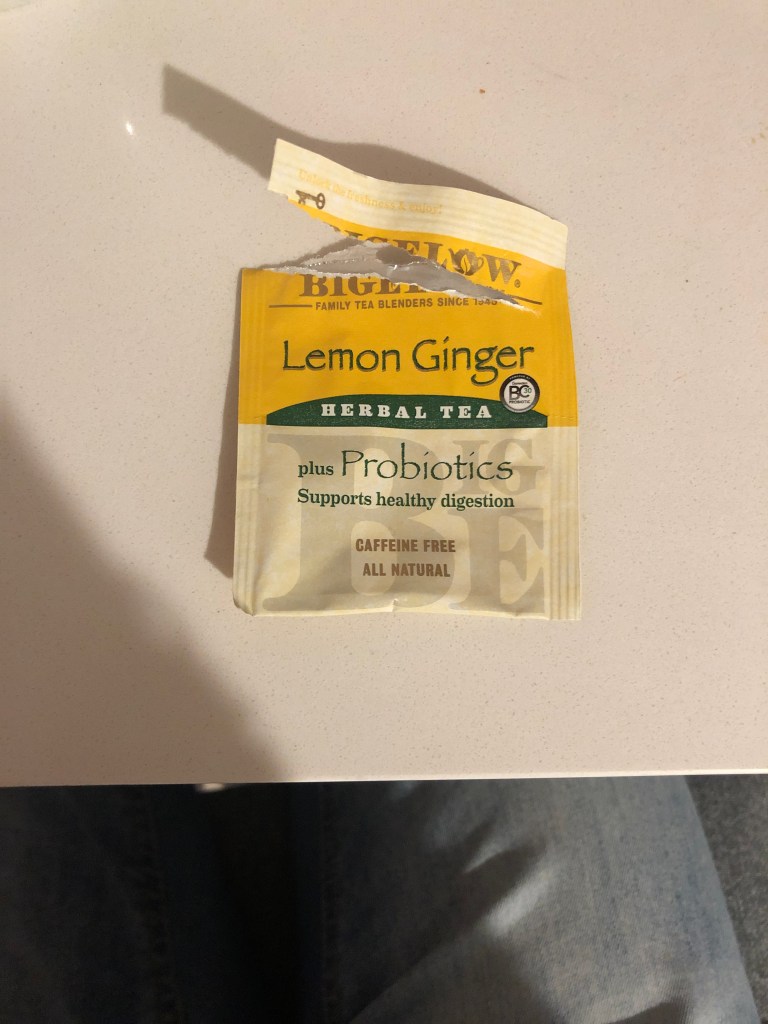
Tea bag wrapper: NOT recyclable (I thought they were!)
As I learned with Steve Crane on his post on web.stanford.edu, tea wrappers are not recyclable at all. They look like they are made out of paper but they are actually “airproof/waterproof plastic-fused-with-paper deadly combo and they cannot be recycled or composted.”
Trash 8
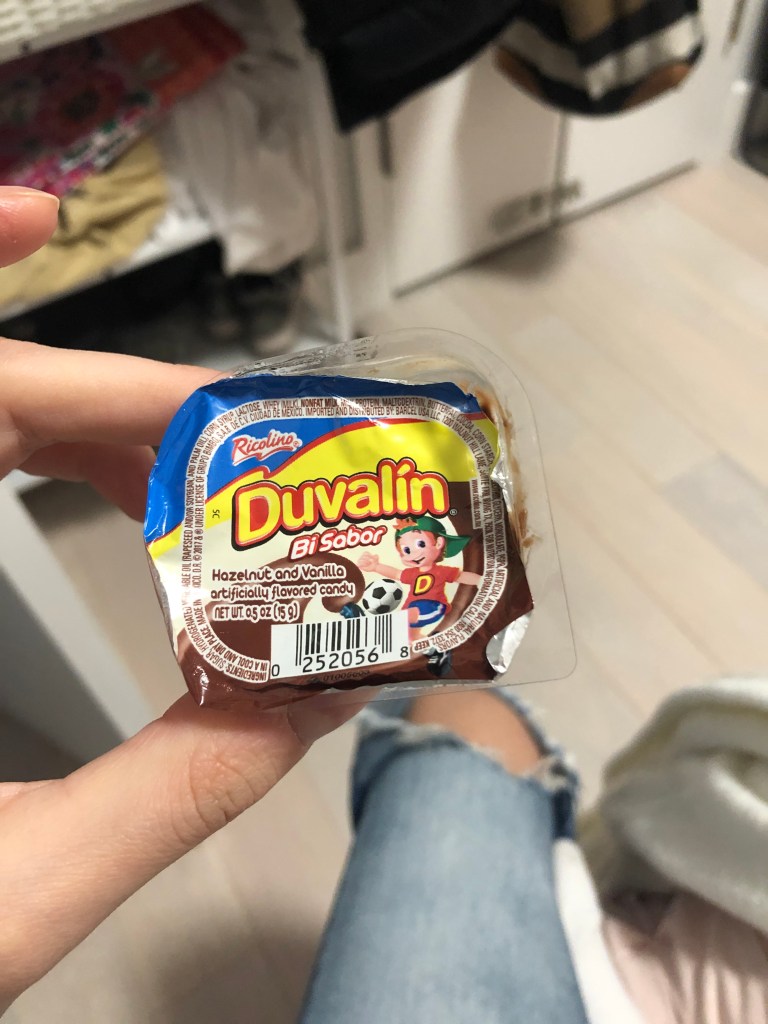
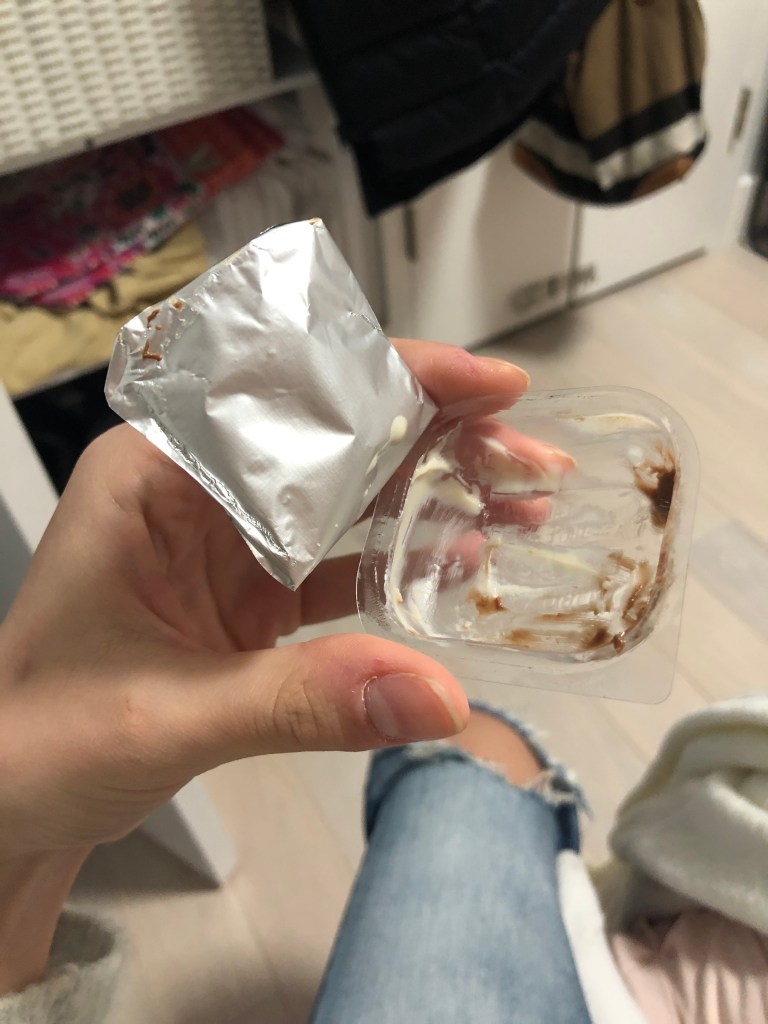
Plastic and aluminium foil
This little plastic container was put on the organic trash once the materials has food on it, making its recycle process not able to happen. There was no information on the package about recycling it.
Trash 9
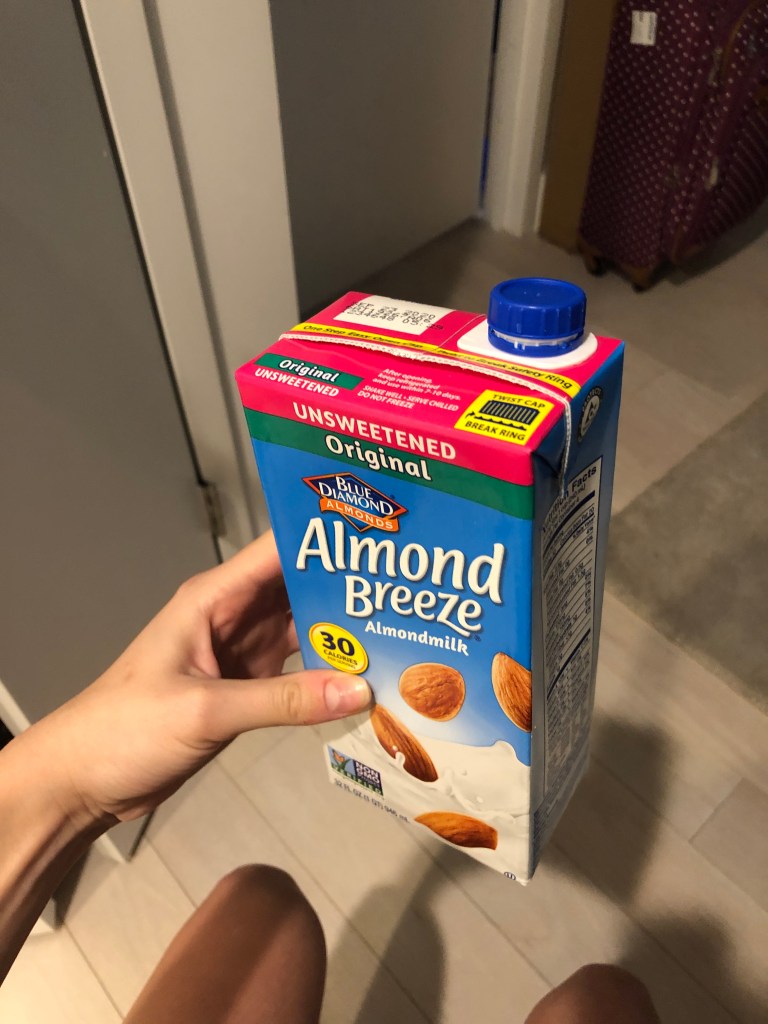
Almond Breeze milk
This bottle is made from TetraPack box. Although many say that TetraPack bottles are recyclable, the truth is that it is not entirely recyclable. It is because the amount of material that they are made of. The cartons are made from wood in the form of paperboard, as well as thin layers of aluminium and polyethylene. (drupepower.com) In the end, those packages have six layers of materials, to make the beverages health enough to be drinkable. In the end, I ended up putting it in the recycling trash but it is probably not gonna be fully recyclable.
Trash 10
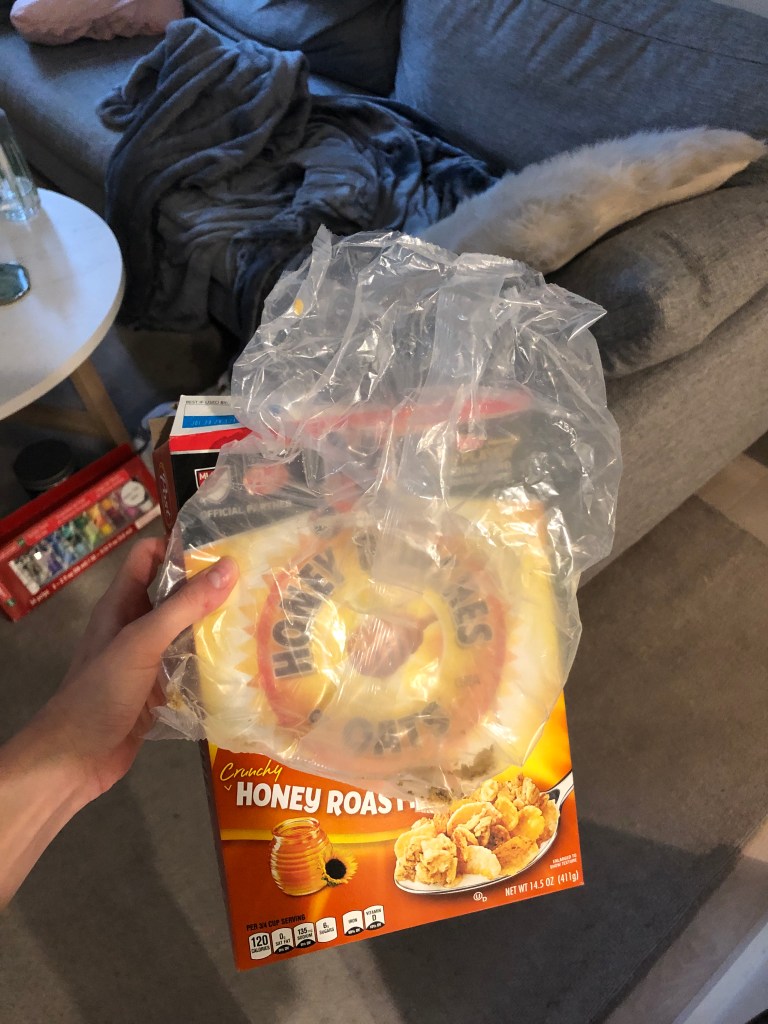
Cereal box (100% recyclable according to the package) + cereal bag
Since they are made of lightweight cardboard, cereal boxes can be easily recyclable. The plastic cereal bag, according to the website recyclenation.com, is “made with high density polyethylene, also known as HDPE or by the recycling number 2. Known as “film” in the recycling industry, this type of plastic can be remanufactured back into plastic bags. It can also be turned into plastic bottles, lumber, pipes and a number of other products.”
Trash 11
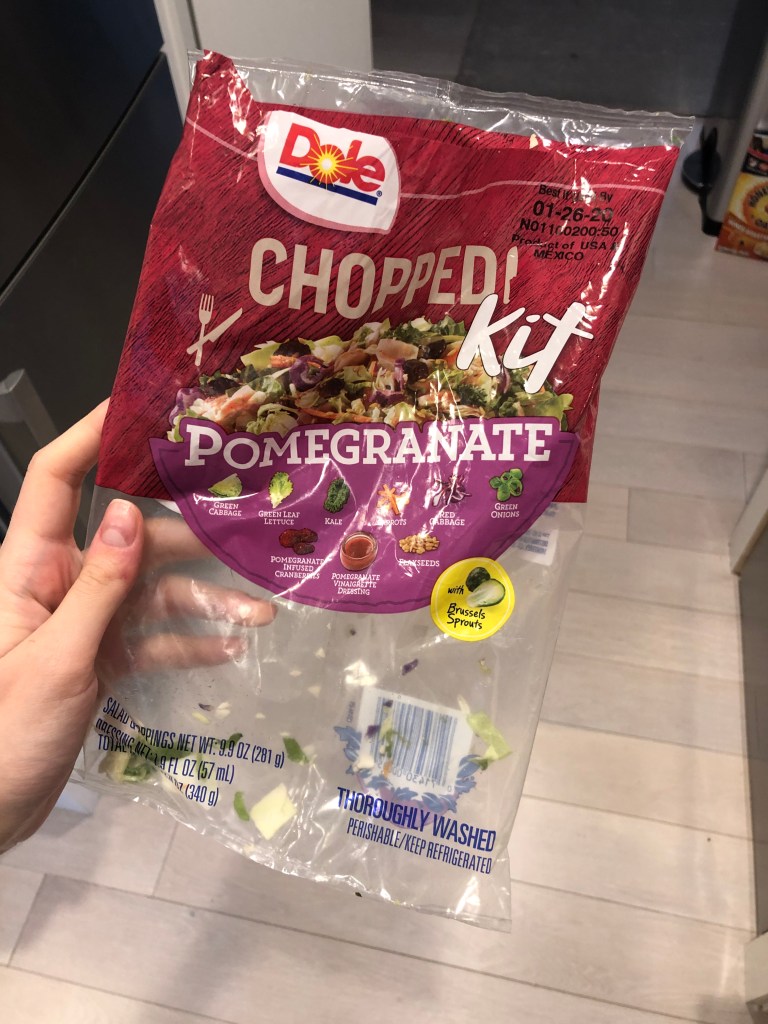
Salad plastic bag
Since these salad plastic bags comes with their product washed and stayed refrigerated, they are not completely dry, and with that, not recyclable.
Trash 12
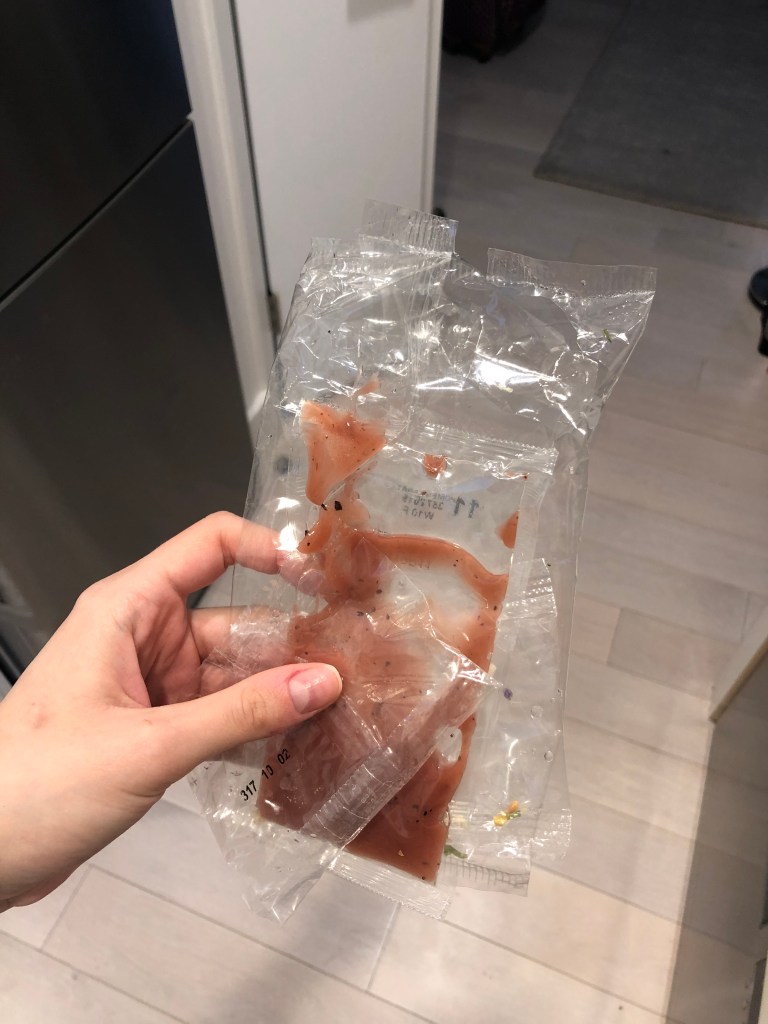
Plastic bags that came inside the salad bag. One of which was with the dressing.
The same thing occurs for these packages that were inside the plastic bag (more plastic, I know). Since they have been in contact with food, specially the dressing one, it turns out to be difficult to recycle.
Trash 13
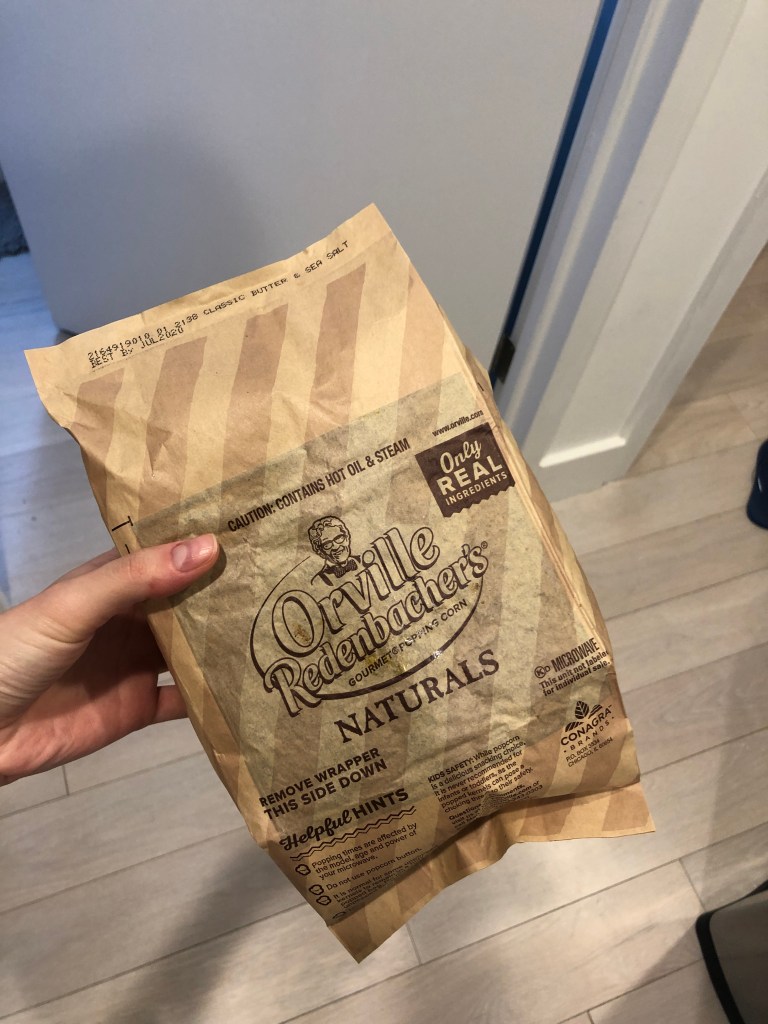
Microwave popcorn bag: not recyclable. As the website Waste Management remembers people, we have to consider these three simple things when recycling:
* No containers with food. Containers with food residue are not recyclable. Please remember to wash containers to eliminate food debris. If a container is food-soiled and cannot be washed (i.e. pizza boxes, paper plates, microwave popcorn bags), throw it away with non-recyclable items.
* Liquids and soggy items spoil the load. Moisture soaked items in recycling containers can ruin an entire load of recyclables. Please recycle only clean, dry items.
* Minimize thin plastics. While many forms of plastic are recyclable and acceptable, flimsy plastics such as shopping bags and other types of cellophane bags can jam recycling machines, adding increased costs to recycling operations, unless the plants are specially equipped (check your local recycling program guidelines).
With that said, the microwave popcorn bag is not recyclable.
Trash 14
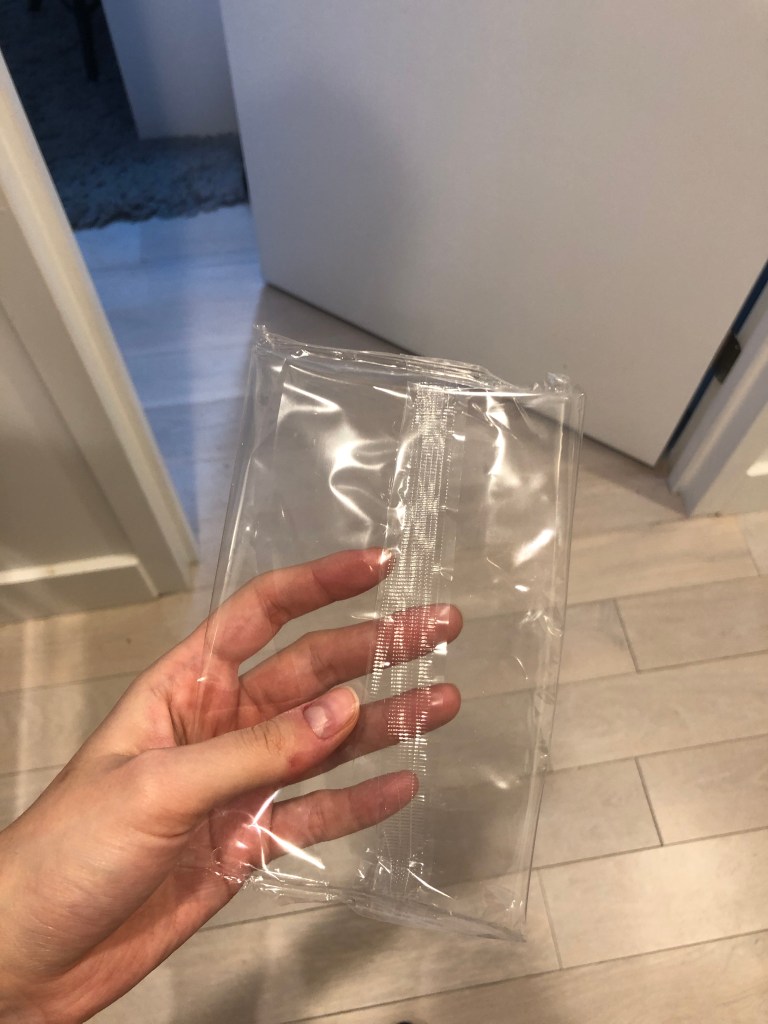
This plastic bag was holding the microwave popcorn bag. Since it is clear and it doesn’t have any food on it, it is recyclable.
Trash 15
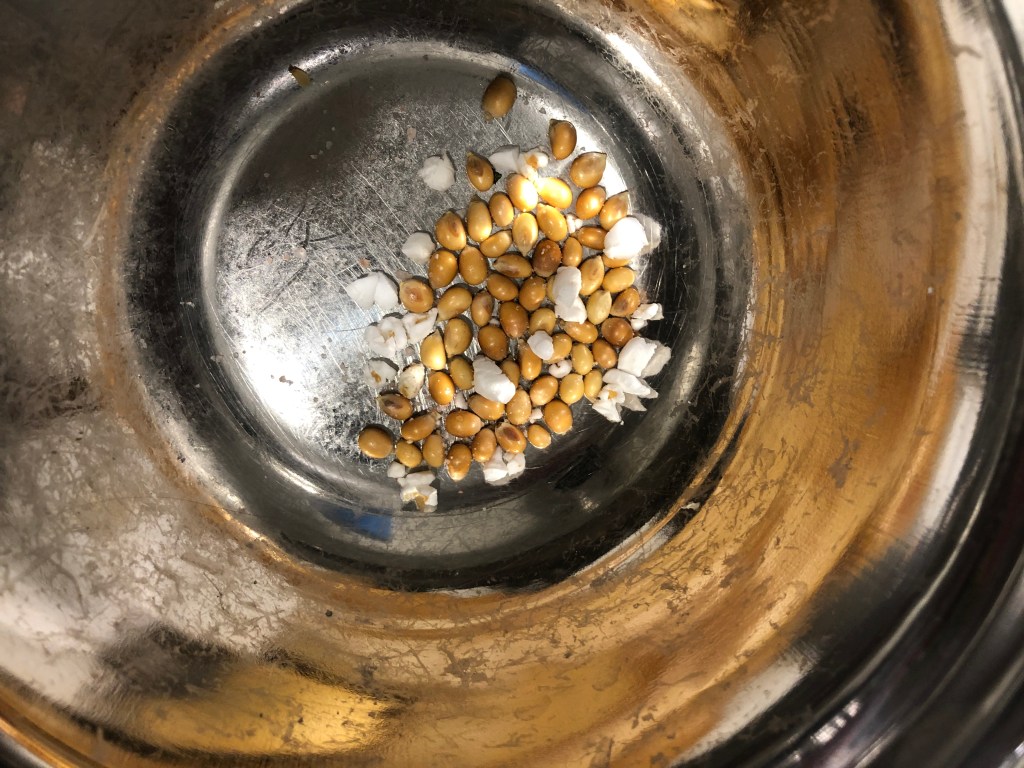
Organic: not recyclable.
Trash 16
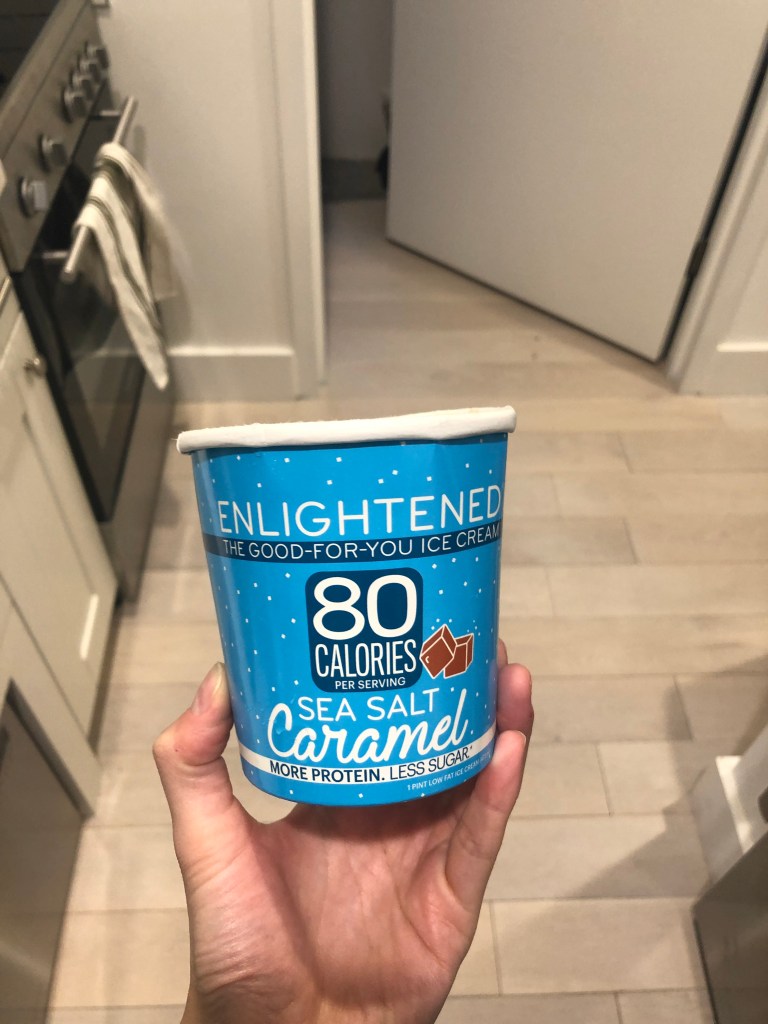
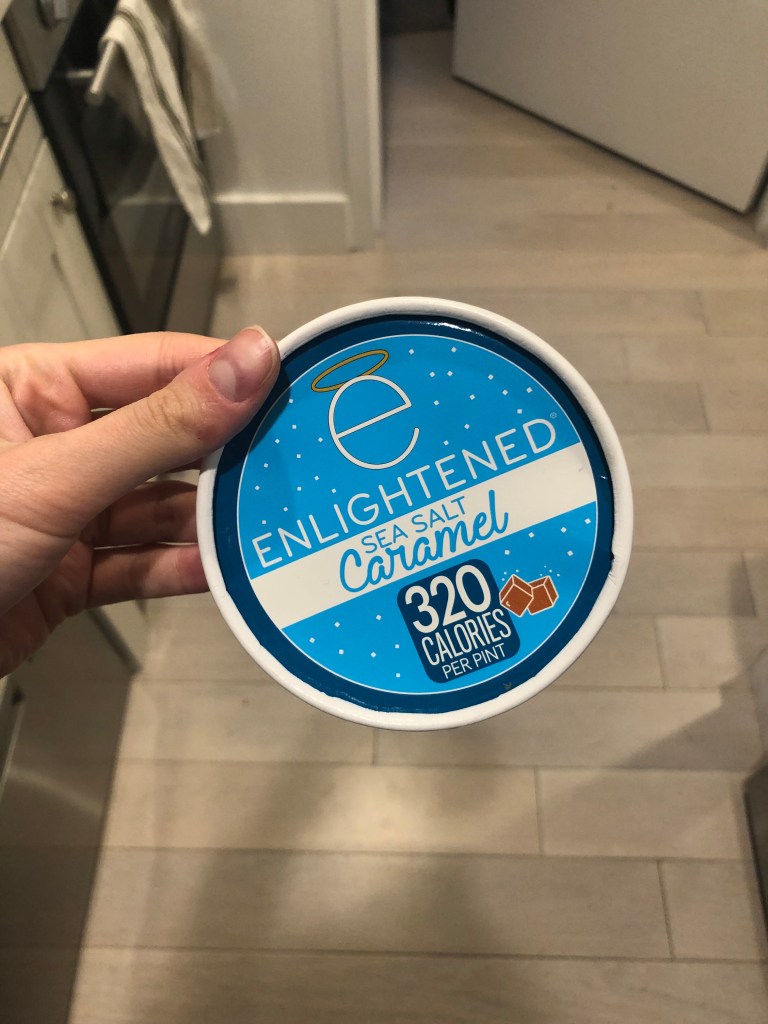
Ice cream container: difficult to recycle.
According to the website earth911.com, “ice cream cartons are made of a special type of paper called wet-strength paperboard, which includes a plastic lining of polyethylene to ensure that it won’t break down in the freezer under extreme temperatures.” The problem here lies on the polyethylene coating. It poses a recycling challenge since the process for recycling paper involves adding water to turn it into pulp. The polyethylene is water resistant and prevents the pulping process.
Trash 17
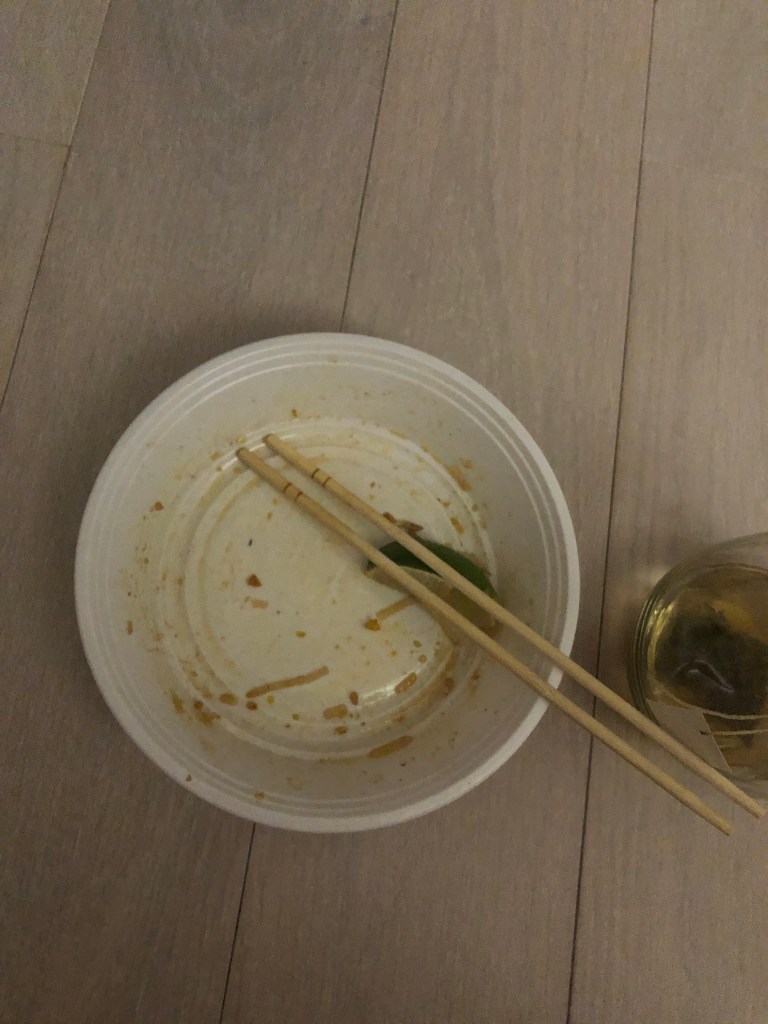
Food container. Number 6 on recycle numbers. Polystyrene, difficult to recycle and with food leftover food on it, it is not recyclable at all.
Trash 18
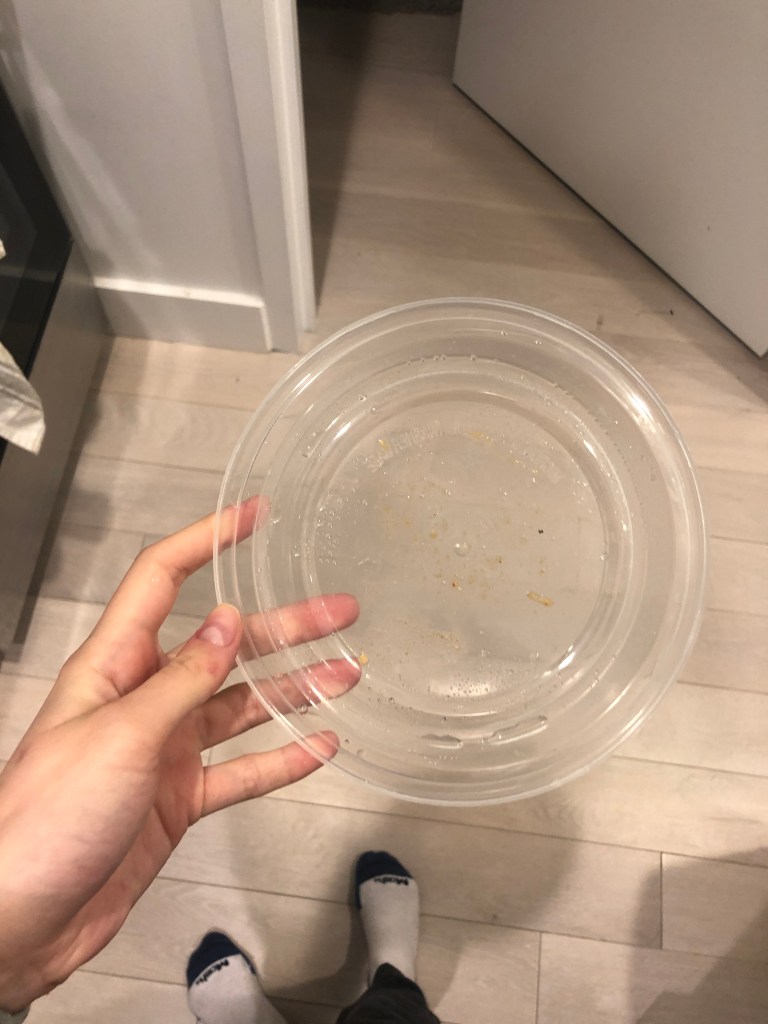
Lid of food container. There was no information on it but according to the research made about food containers and their lids, this one was probably polystyrene, really difficult to recycle and, because it had food oil in it, it is not recyclable at all.
Trash 19
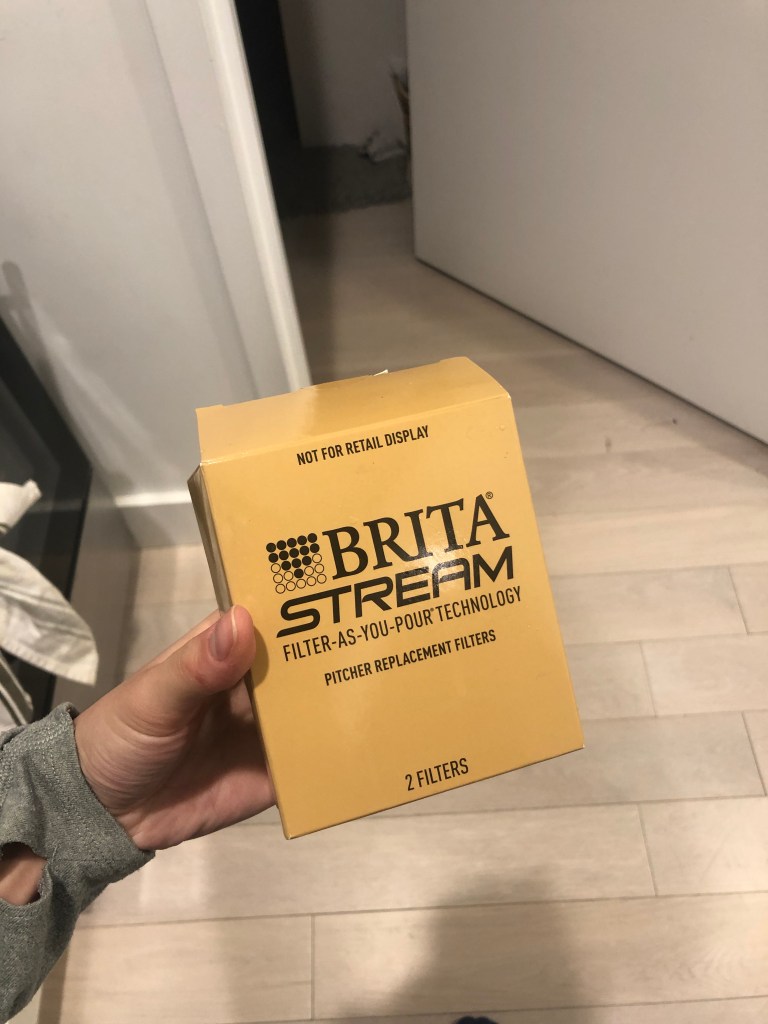
Duplex paper. No information on how to recycle.
Trash 20
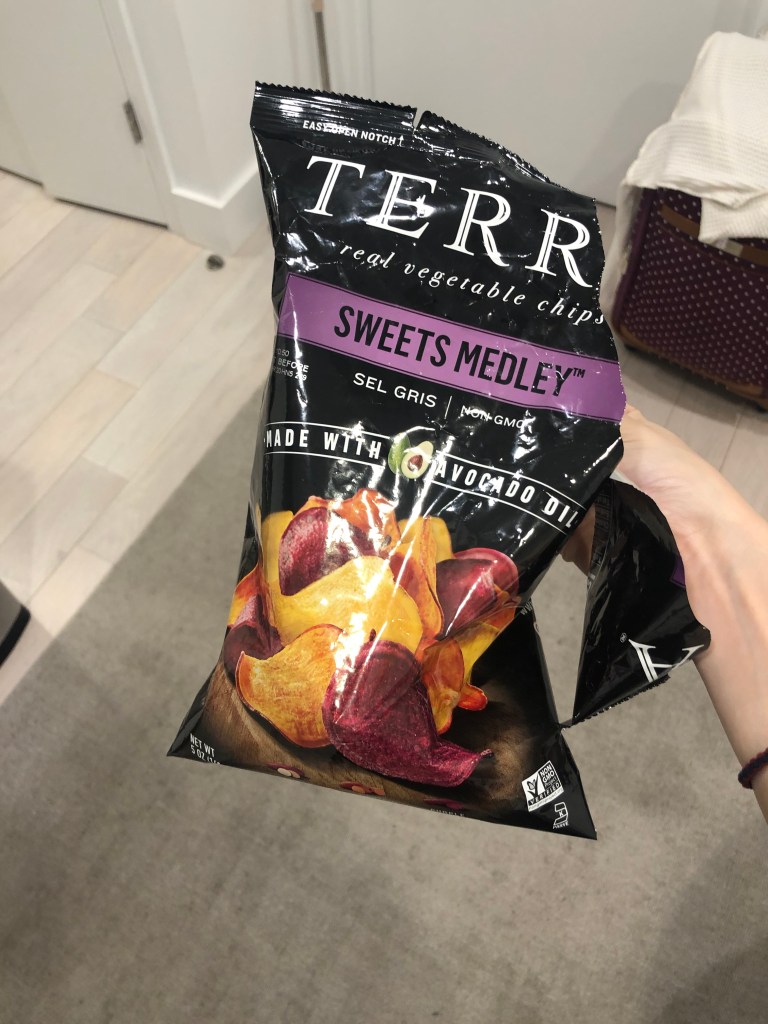
TERRA red vegetable cips: not recyclable.
Materials: aluminum laminated with polypropylene, also known as metalized polypropylene, or low-density polyethylene film.
Information on chips bags:
they are not recyclable since they cannot go into your single stream recycle bin. Because of the layer of aluminum laminated with polypropylene, this basically means it’s a hot plastic and aluminum hybrid mess.
On the other hand, according to the website http://www.thegreencities.com, “The good news is that companies are taking notice and incorporating eco-friendly tactics at the end of their product’s lives.”
 InfinityCycle